Slow Process – Major Consequences
Heart disease rarely begins with a dramatic event. It develops quietly over time, often without symptoms, and atherosclerosis is the underlying process that drives it. Its a word we hear often from the likes of Dr Peter Attia and it matters, but it’s not always explained. This really is one we need to pay attention to.
What atherosclerosis actually is (and why it matters)
Atherosclerosis is the gradual build-up of fatty deposits, cholesterol, calcium, and inflammatory cells within the walls of arteries. These deposits form atherosclerotic plaques (hardened patches within the artery wall), which cause arteries to become narrower, stiffer, and less responsive to changes in blood flow.
This is harmful for several physiological reasons. Narrowed arteries restrict oxygen and nutrient delivery to vital organs such as the heart and brain. Loss of arterial flexibility increases blood pressure (the force exerted on artery walls), forcing the heart to work harder. Most seriously, plaques can rupture; when this happens, the body forms a blood clot at the site, which can suddenly block blood flow and trigger a heart attack or stroke.
For women, risk often accelerates in midlife. Declining estrogen during menopause removes a layer of vascular protection, contributing to changes in cholesterol handling, blood vessel function, and inflammation.
What we can do to reduce risk and slow progression
- Support healthy cholesterol balance, particularly lowering LDL cholesterol (often called “bad” cholesterol because it contributes to plaque formation) and supporting HDL cholesterol (“good” cholesterol, which helps remove excess cholesterol from the bloodstream).
- Maintain stable blood glucose levels (chronically high blood sugar damages artery walls and accelerates plaque build-up).
- Engage in regular aerobic exercise (e.g. walking, cycling) and resistance training (strength work), both of which improve blood vessel function and reduce cardiovascular risk.
- Reduce chronic inflammation (a persistent low-grade immune response that damages tissues) by limiting ultra-processed foods and excess alcohol, while increasing fibre-rich plants, omega-3 fats, and polyphenol-rich foods such as berries and olive oil. Former Move Daily Talks podcast guest, Michelle Routhenstein has a new heart-healthy cookbook to try! Grab a copy of The Truly Easy Heart-Healthy Cookbook.
- Support healthy blood pressure (consistently high pressure strains arteries) through sodium awareness, adequate potassium intake, stress regulation, and sufficient sleep.
- Avoid smoking and minimize exposure to second-hand smoke, as tobacco toxins directly injure the artery lining and accelerate plaque formation.
- Manage visceral fat (fat stored around the abdominal organs), which is metabolically active and releases inflammatory compounds linked to cardiovascular disease.
As always, please be aware that we share this information to educate and empower, not diagnose. If you have a family history of cardiovascular disease, known risk factors, concerning symptoms, or any worries about your heart health, please speak with your primary care doctor or healthcare professional for individual assessment and guidance.
Cooking for Cardio Health
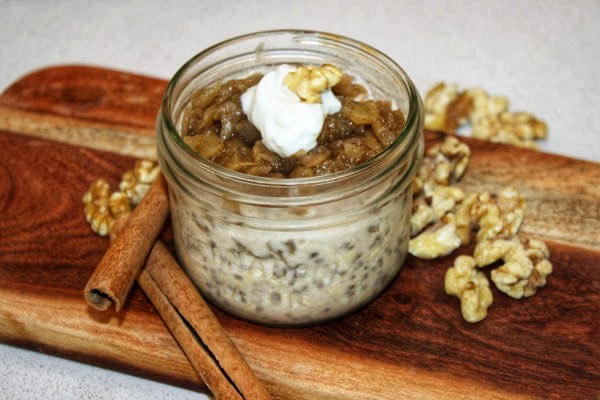
Our nutrition is a massive factor in our cardiovascular health. There are so many incredible resources out there now, for you to dip in to and support a healthy diet. Tracy has many of her own recipes, like these cinnamon, apple overnight oats – packed with fiber and healthy fats. Or if you’re looking for lunch ideas, try these Mediterranean chicken and chickpea bowls.
Join Tracy and Guests on Move Daily Talks
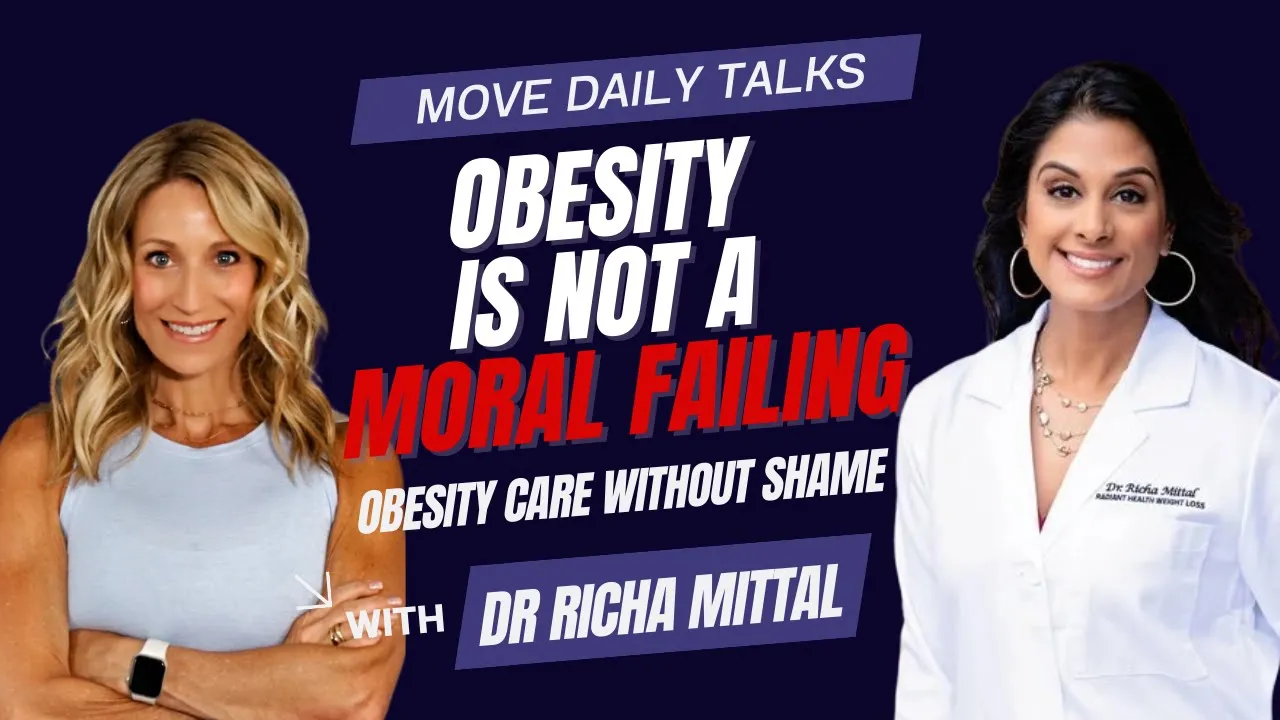
Every Saturday Tracy is joined by a special guest on her hugely successful, and informative podcast, Move Daily Talks. Here is the latest release for you to listen to, learn from and enjoy. Or watch it on YouTube.
This Weeks Workouts!
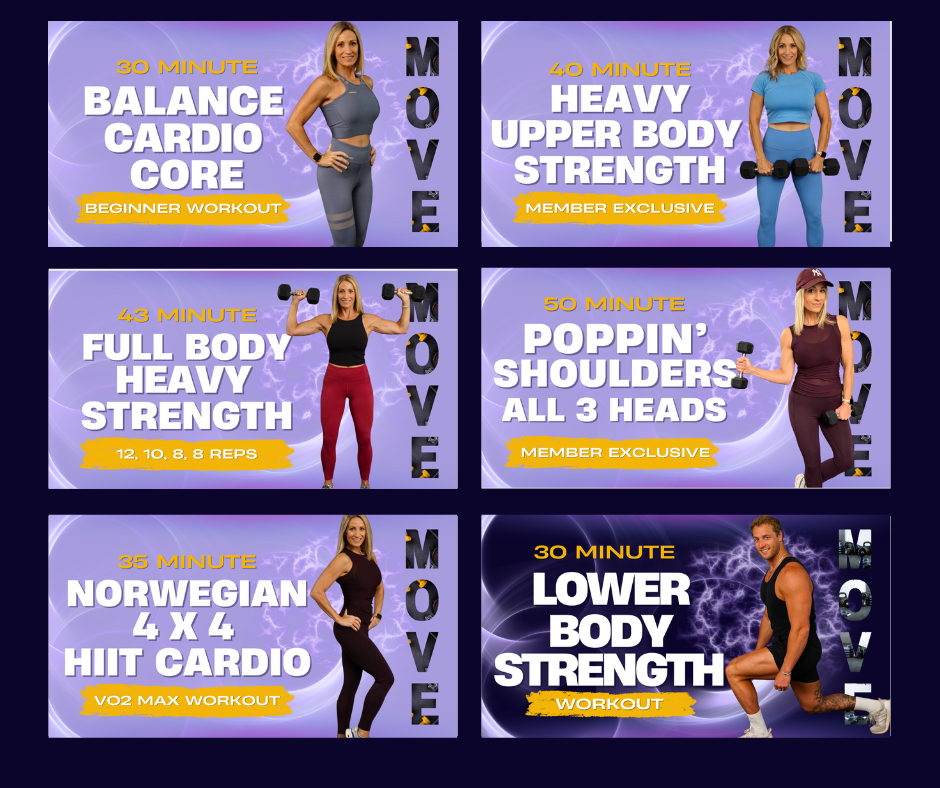
Here is your handy reminder of the current week’s workouts. All of the workouts are available either free via the YouTube channel, or are the Members Exclusive workouts, which you can access if you sign up to our Membership. Don’t forget that the workouts are released across the week and so make sure you are signed up for YouTube notifications by subscribing to the channel.