
Can Certain Foods Actually Make You Happier?
We often think of mental health as something separate from your physical health, but the two are deeply connected. There are, of course, many established and important ways to support mental health, including therapy, lifestyle changes, and medication where appropriate. Nothing in this conversation replaces those. What we’re talking about here is something different – a supportive, holistic layer.
This is useful because alongside clinical approaches, there are also natural, everyday inputs that can influence how you feel, including what we eat. Now, it’s important to be clear: this is not a magic switch. Food will not “fix” mental health challenges. The impact is often subtle, individual, and cumulative rather than immediate. However, there is growing evidence that certain foods and nutrients can support brain function, mood regulation, and overall mental wellbeing.
So let’s look at a few of the most useful ones:
- One of the most well-established links is between omega-3 fatty acids and brain health. These are structural components of the brain and play a role in neurotransmitter function. Oily fish like salmon, mackerel, and sardines are the richest sources, but if you’re plant-based, foods like walnuts, chia seeds, and flaxseeds provide ALA, a precursor form. Diets richer in omega-3s are associated with lower rates of depression and improved mood stability. A review of clinical and observational data found that omega-3 intake is associated with reduced risk of depression, and supplementation can improve symptoms in mild–moderate depression.
- Closely linked to this is the role of protein and amino acids, particularly those involved in neurotransmitter production. For example, tryptophan is required to produce serotonin – often referred to as the “feel-good” neurotransmitter. Foods like dairy, tofu, lentils, oats, and seeds all contribute here. Consistently under-eating protein can subtly impact mood, energy, and resilience.
- Another area gaining a lot of attention is the gut-brain axis. Your gut and brain are in constant communication, and the health of your gut microbiome appears to influence mood and even anxiety levels. This is where fibre-rich and fermented foods come in. Vegetables, fruits, whole grains, and legumes feed beneficial gut bacteria, while foods like yoghurt, kefir, sauerkraut, and kimchi introduce live cultures. A more diverse microbiome is generally linked with better mental wellbeing. Reviews of the gut–brain axis consistently show that modifying microbiota (via diet, probiotics, etc.) can improve mental health outcomes.
- You also can’t ignore the role of micronutrients, particularly magnesium and B vitamins. Magnesium is involved in nervous system regulation and may help with relaxation and sleep. You’ll find it in foods like leafy greens, nuts, seeds, and dark chocolate. B vitamins, especially B6, B12, and folate, are essential for energy metabolism and neurotransmitter production. Low levels are associated with fatigue and low mood, which is why this is especially important for those following a vegan diet.
- Finally, there’s something much simpler, but often overlooked – stable blood sugar. Blood glucose is supposed to gently rise and fall as part of a healthy metabolic system, but large swings in blood glucose can lead to fluctuations in energy, irritability, and concentration. Building meals around protein, fibre, and healthy fats helps to create a more steady release of energy, which can translate into more stable mood and focus across the day.
There’s also one final piece that is often underestimated, and that’s the psychological impact of doing something positive for yourself. Even if a specific food doesn’t dramatically change your brain chemistry, the act of choosing to nourish yourself well can still have a meaningful effect. This is where the placebo effect, or more accurately, the expectation effect, comes into play. If you believe you are doing something supportive, intentional, and good for your health, that alone can:
- Shift your mindset
- Increase feelings of control
- Create a small but real lift in mood
This is important, because mental health is not just biochemical – it is also behavioural and psychological. So even if the impact of a food is modest, the combined effect of nourishment, intention and self-care can be powerful. When used consistently, alongside other support systems, it can become part of a much bigger picture – one that helps you feel a little more balanced, a little more energised, and a little more like yourself.
Mood Boosting Meal Ideas
Tracy has stack’s of mood boosting, healthy recipes for you to enjoy, free on our website. Let’s take a look at some of the best and the most delicious:
Tuscan baked salmon – packed with healthy fat’s that support our brain, this is a great dish to include.
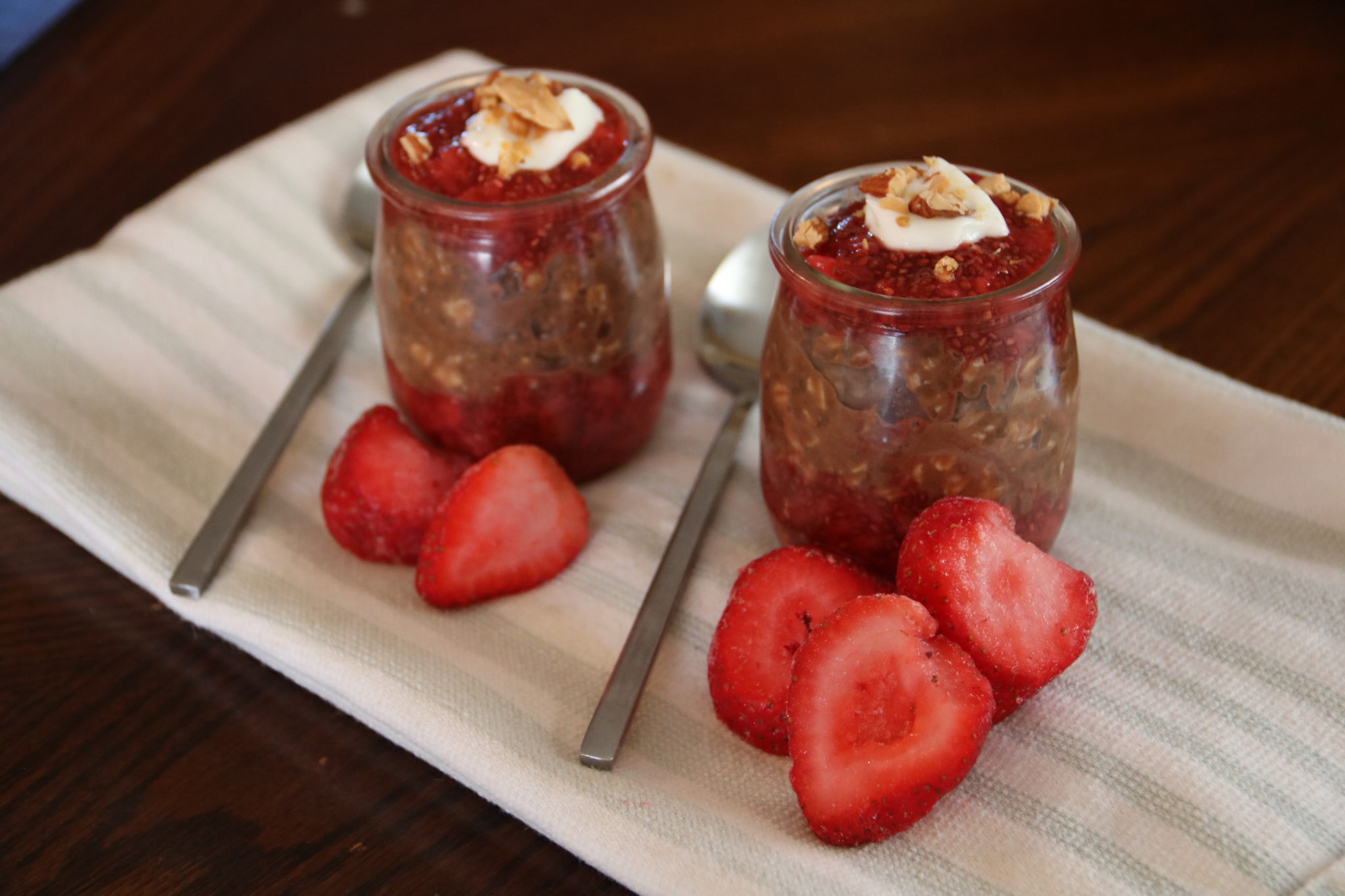
Chocolate overnight oats – plenty of mood boosting tryptophan, plus a vegetarian source of protein from the delicious strawberry chia jam.
Peanut butter chocolate chip cookies – we’re bringing the dark chocolate in for the magnesium and, let’s face it, how yummy it tastes.
Roasted chicken gochujang bowl – fiber and protein are a superb combo to support stable blood sugar and satiating meals. This roasted chicken bowl brings SO much flavor and you can customize the veggies too.
Join Tracy and Guests on Move Daily Talks
Every Saturday Tracy is joined by a special guest on her hugely successful, and informative podcast, Move Daily Talks. Here is the latest release for you to listen to, learn from and enjoy. Or watch it on YouTube.

This Weeks Workouts!
Here is your handy reminder of the current week’s workouts. All of the workouts are available either free via the YouTube channel, or are the Members Exclusive workouts, which you can access if you sign up to our Membership. Don’t forget that the workouts are released across the week and so make sure you are signed up for YouTube notifications by subscribing to the channel.