Inflammaging – Where Science meets Hype
If you’ve spent any time on social media recently, you’ve probably come across the term “inflammaging.” It’s become one of the latest health buzzwords, often accompanied by dramatic claims that certain foods, ingredients, or everyday habits are “aging you faster” through hidden inflammation. The reality is that inflammaging is based on a genuine scientific concept. Chronic inflammation is associated with many age-related diseases and can contribute to poorer health as we get older.
However, this is also where things become ripe for misinformation.
Many influencers and wellness marketers take a small piece of legitimate science and stretch it far beyond what the evidence actually shows. By combining scientific terminology with fear-based messaging, they create content that sounds credible, even when the conclusions aren’t supported by research. The result? People become convinced that normal foods, occasional treats, household products, or single lifestyle habits are secretly driving disease and aging.
Let’s take a closer look.
What Is Inflammaging?
The term inflammaging combines the words inflammation and aging. It describes the low-grade, chronic inflammation that tends to increase as we get older. Unlike the acute inflammation that occurs when you cut your finger, sprain an ankle, or fight off an infection, inflammaging is usually subtle and persistent. You may not feel it directly, but over time it can contribute to wear and tear throughout the body. Researchers believe chronic inflammation plays a role in many age-related conditions, including cardiovascular disease, type 2 diabetes, osteoarthritis, cognitive decline, frailty and loss of muscle mass, and some cancers.
Importantly, inflammation is not automatically bad. In fact, it is essential for survival. Problems arise when inflammatory processes remain elevated for long periods of time.
Three Common Inflammaging Myths
- Myth #1: “One inflammatory food is aging you.” Many social media posts suggest that a single food-whether it’s bread, dairy, seed oils, gluten, sugar, or something else-is directly causing inflammation and accelerating aging. The reality is that for most healthy people, inflammation is influenced by overall lifestyle patterns, not individual foods eaten in isolation. A single doughnut doesn’t create chronic inflammation any more than a single salad creates perfect health.
- Myth #2: “You can feel inflammation in your body.” Many products claim to eliminate symptoms such as bloating, fatigue, headaches, or stiffness by “reducing inflammation.” The reality is that while certain medical conditions involving inflammation can cause symptoms, the low-grade chronic inflammation associated with aging cannot usually be felt directly. Feeling tired after a poor night’s sleep or bloated after a large meal doesn’t automatically mean inflammation is occurring. Many symptoms attributed to inflammation have multiple possible explanations.
- Myth #3: “You need expensive supplements, detoxes, or cleanses.” The anti-inflammation market has exploded with powders, juices, supplements, cleanses, and detox programs promising to “reverse inflammaging.” The reality however, is that there is currently no supplement, detox, tea, juice cleanse, or magic product that has been shown to eliminate inflammaging.
What Is Inflammation, Really?
Inflammation is one of the body’s natural defense mechanisms. When your body detects injury, infection, or damage, your immune system responds by triggering inflammation. This process helps fight infection, repair damaged tissues, remove harmful substances and support healing.
Acute inflammation is generally beneficial and necessary, but problems arise when inflammatory signals remain activated for months or years. Chronic inflammation may contribute to:
- Damage to blood vessels
- Reduced insulin sensitivity
- Increased oxidative stress
- Impaired recovery
- Greater risk of age-related disease
- Accelerated decline in physical function
Scientists believe that multiple factors contribute to age-related inflammation. The important point is that chronic inflammation is usually driven by a combination of factors, not a single “toxic” food or ingredient.
What Actually Helps Reduce Chronic Inflammation?
While there is no magic solution, there are several lifestyle habits consistently associated with lower levels of chronic inflammation:
- Move Daily (sorry, we couldn’t help it): Regular physical activity is one of the most effective anti-inflammatory tools available.
- Maintain a health body fat level: Excess body fat, particularly around the abdomen, is associated with higher levels of inflammatory markers. Even modest weight loss can improve inflammatory profiles in many individuals.
- Prioritize sleep: Poor sleep is strongly linked to increased inflammation. Most adults benefit from aiming for approximately 7–9 hours of quality sleep per night.
- Eat a nutrient-dense diet: Focus on dietary patterns that include fruits, vegetables, beans and legumes, whole grains, nuts and seeds, lean protein sources and if diet allows, oily fish. No single food prevents inflammation, but consistent dietary habits matter.
- Manage stress: Long-term psychological stress can influence inflammatory pathways. Helpful strategies may include walking, meditation, social connection, hobbies and time outdoors.
- Don’t smoke: Smoking remains one of the strongest lifestyle contributors to chronic inflammation and age-related disease.
To conclude, inflammaging is a real scientific concept. Chronic low-grade inflammation is associated with aging and may contribute to many long-term health conditions. However, much of the content circulating online oversimplifies the science and exaggerates the role of individual foods, supplements, or products. The truth is less glamorous but more useful: the habits that support healthy aging are largely the same habits we’ve known about for years. Those may not be the most exciting headlines on social media-but they remain some of the most powerful tools we have for supporting long-term health.
Supporting Lower Levels of Chronic Inflammation
Let’s break down some easy and effective way’s you can really dial in minimizing levels of chronic inflammation:
- Move Daily: With free workouts every single week, as well as a plethora of programs on offer – not to mention our Move Daily Membership, there are stack’s of options to keep yourself moving regularly. If you’re unsure what is right for you, Coach Kim is here to help. Post a question on our free Move Daily Hustle Facebook page or reach out at kim.movedaily@gmail.com.
- Maintain health body fat levels: Losing body fat can be tough and there is SO much out there which promises a quick fix. If you want a single, catch-all, ultimate guide to body fat loss (and keeping it off), take a look at the Fat Loss Nutrition Master Class. This took Tracy and Kim over 6 months to write and we can assure you, it is all you need for your journey. If you’d like to take advantage of our current offer for a huge 30% off, use code FATLOSS30 at check out.
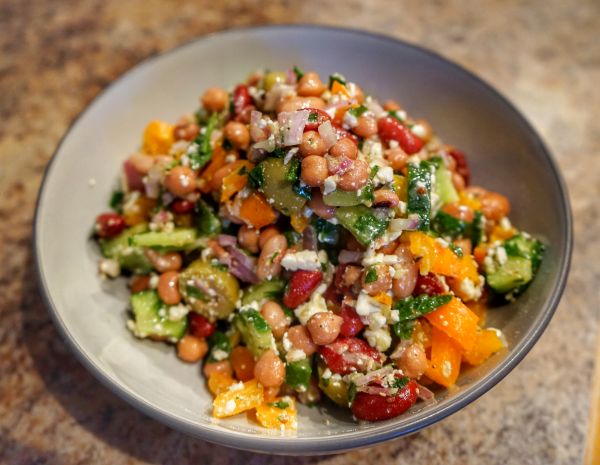
- Eat a nutrient-dense diet: An easy way to increase variety in your diet is to aim for more fiber. Fiber foods include many vegetables, fruits, seeds and whole grains like oats. Our High Fiber Meal Prep guide is an easy and delicious way to step up your nutrition game. Or, take a look at these four bean salad’s Tracy created and stock up on legumes and nutrient variety.
Join Tracy and Guests on Move Daily Talks
Every Saturday Tracy is joined by a special guest on her hugely successful, and informative podcast, Move Daily Talks. Here is the latest release for you to listen to, learn from and enjoy. Or watch it on YouTube.

This Weeks Workouts!
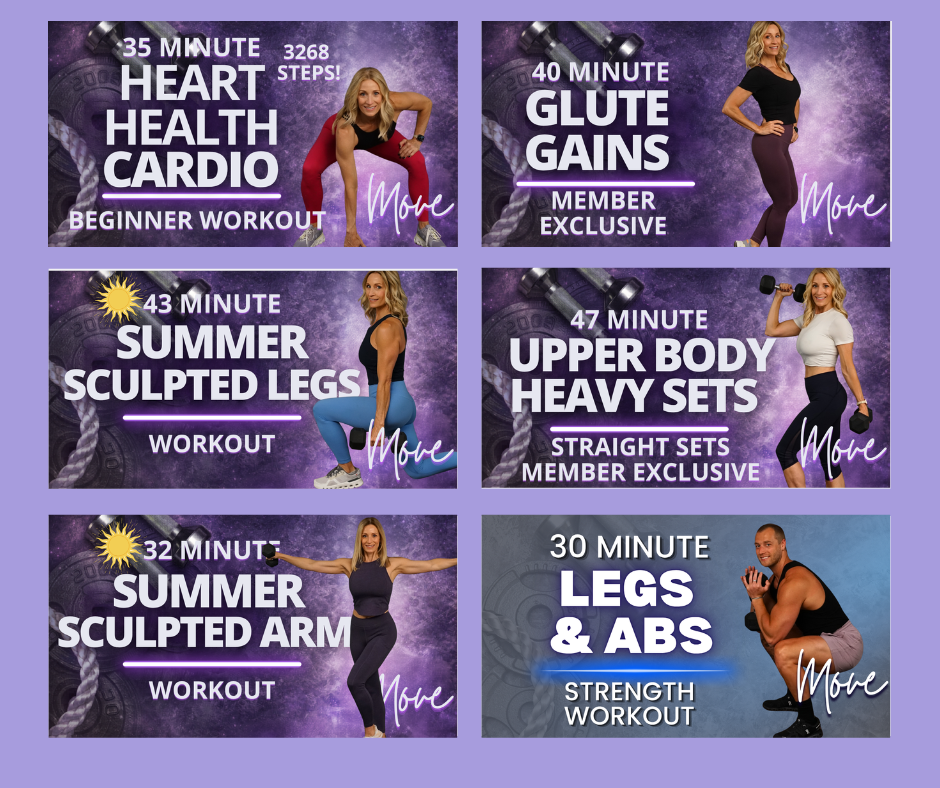
Here is your handy reminder of the current week’s workouts. All of the workouts are available either free via the YouTube channel, or are the Members Exclusive workouts, which you can access if you sign up to our Membership. Don’t forget that the workouts are released across the week and so make sure you are signed up for YouTube notifications by subscribing to the channel.