The REAL Reasons Calorie Needs Shift
There is so much misinformation out there around the genuine reasons your calorie needs may change in mid-life and beyond. It can be a very unsettling prospect, trying to navigate if you need less, or even more, calories for your current goals and stage you’re at. What we do know emphatically, is that your calorie needs are not fixed for life. They shift based on body composition, activity, and physiology. Midlife is simply where many of these changes start to compound and become more noticeable.
Let’s break down the key reasons on why calorie needs change:
- You are actively pursuing fat loss: This is the most straightforward one, yet often overlooked. As you lose weight, your body becomes smaller and more efficient. A body then carrying less body fat requires fewer calories to move, function, and maintain itself, meaning your original calorie target will eventually become your new maintenance. This is a normal and expected part of the fat loss process.
- A true plateau has been reached: A genuine fat loss plateau (not just a short-term fluctuation) reflects metabolic adaptation e.g. you have lost enough body fat, to reduce your caloric needs and in effect where you thought you were in a caloric deficit, you’re essentially at maintenance. If you have been honestly consistently eating within your deficit and tracking everything you consume, for at least 3 weeks and there is no overall downward trend on the scales, it may be time to consider reducing calories.
- Age-related metabolic shift (particularly from ~60 onwards): Contrary to popular belief, metabolism does not significantly “slow down” in your 30s or 40s when adjusted for body composition. However, research shows a more noticeable shift from around age 60 onwards, where total daily energy expenditure begins to decline more meaningfully. On average, however this is extremely small – roughly a 0.7% reduction in calorie needs per year beyond this point.
- Loss of lean muscle mass (sarcopenia): Muscle is metabolically active tissue, so losing it reduces your basal metabolic rate (BMR) e.g. the amount of calories your body burns simply to keep you alive. Without resistance training and adequate protein intake, adults can lose 3-8% of muscle mass per decade from midlife onwards, and this accelerates later in life.
- Changes in activity levels: Lifestyle often shifts in midlife. Work patterns, injuries, energy levels, and priorities all influence how much you move. Even small reductions in daily movement can have a meaningful impact on total daily energy expenditure (TDEE) over time.
- Hormonal changes (particularly in women): Menopause itself does not directly “switch off” metabolism, but it does influence fat distribution, appetite regulation and energy levels and recovery. These changes can indirectly affect calorie balance through behaviour and body composition.
A final note for a quick reality check on muscle and metabolism. You’ll often hear that building muscle will dramatically “boost your metabolism.” There is truth here, but it’s frequently overstated. Muscle does increase energy expenditure, but the effect is modest. On average 1 kg of muscle burns ~13-15 kcal per day at rest. Even adding 2-3 kg of muscle (which is a significant achievement) would increase daily calorie burn by roughly 25-45 kcal. That’s helpful, but it’s not transformative on its own. The real value of muscle is broader. It supports strength, function, and independence, it improves glucose regulation and metabolic health, and it helps preserve a higher overall TDEE over time, especially by enabling more activity.
DISCOUNT ALERT! Grab It Now!
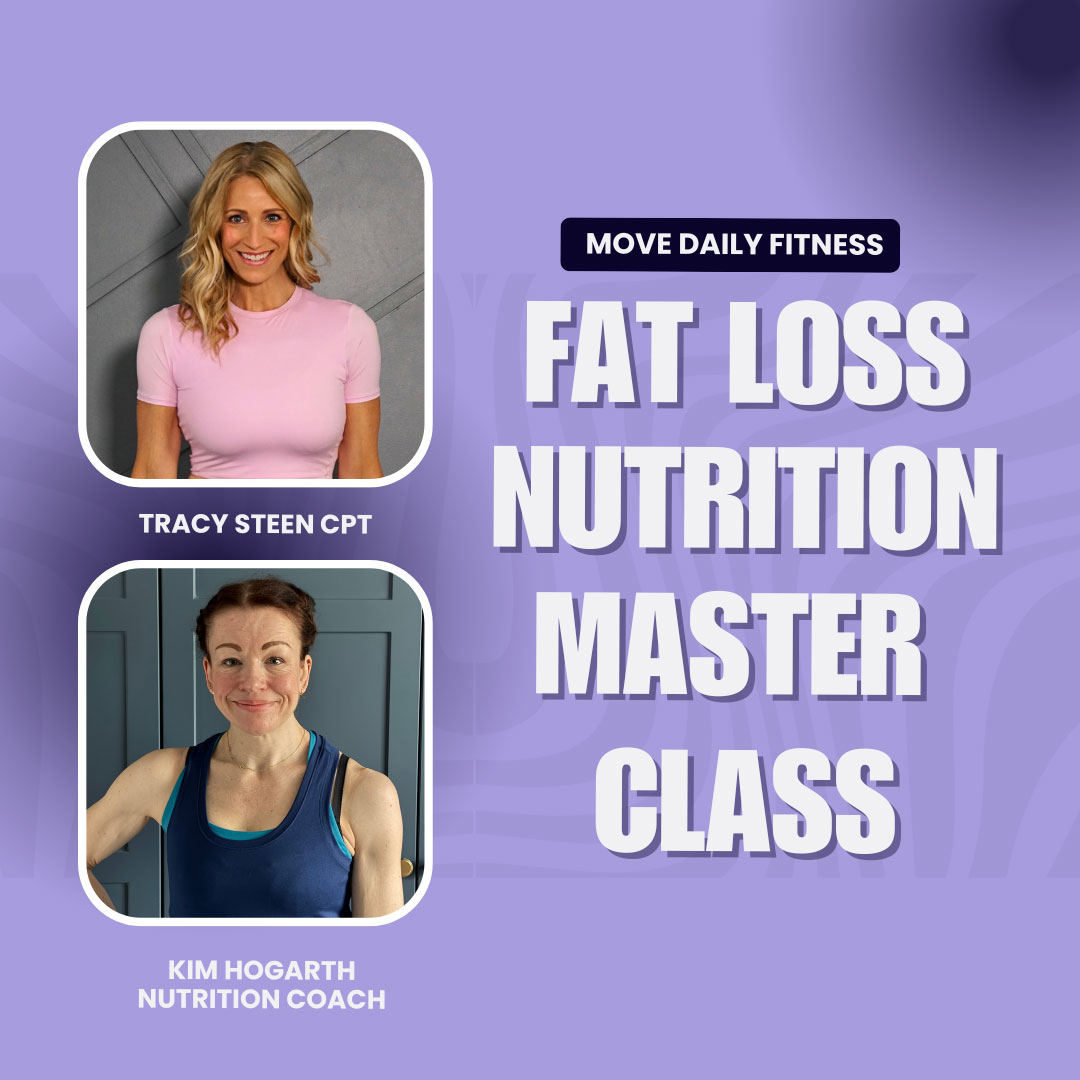
It is extremely rare that we gift a discount on our Fat Loss Nutrition Master Class. It is by far the most in-depth stand alone offering from Move Daily, and we confidently state that it is the only and the last definitive guide to fat loss you will ever need. You will have access to everything you need to know and we have answered all the questions from the science and the how, to the practical and the emotional. We are thrilled to be gifting you 10% off, valid for the next 7 days only.
Use coupon code: FATLOSSGOALS10 at check-out.
Women and Heart Disease Diagnosis
Recent research highlighted by the British Heart Foundation and published in the BMJ (British Medical Journal) has brought an important issue back into focus – how often heart disease is misdiagnosed in women compared to men. Although we are hugely respectful of the fact that we at Move Daily are not doctors, we are always keen to highlight issues for you, that can empower you in your own, personal, health journey. The symptoms in women can more commonly present as pain in the jaw, neck, back, or shoulders, shortness of breath, nausea or light-headedness, unusual or overwhelming fatigue. Any concerns should of course be taken to your Doctor at your discretion. Thankfully there are many habits and lifestyle practices you can have, irrespective of gender, to support us in potentially reducing your risk of cardiovascular disease:
- Maintain regular physical activity, particularly a mix of strength and cardiovascular work
- Prioritise protein, fibre, and whole foods, while keeping ultra-processed intake in check
- Support healthy blood pressure, cholesterol, and blood glucose levels
- Avoid smoking and moderate alcohol intake
- Prioritise sleep and stress management (both directly impact cardiovascular load)
- Keep up with routine health checks, especially through midlife and beyond
Join Tracy and Guests on Move Daily Talks
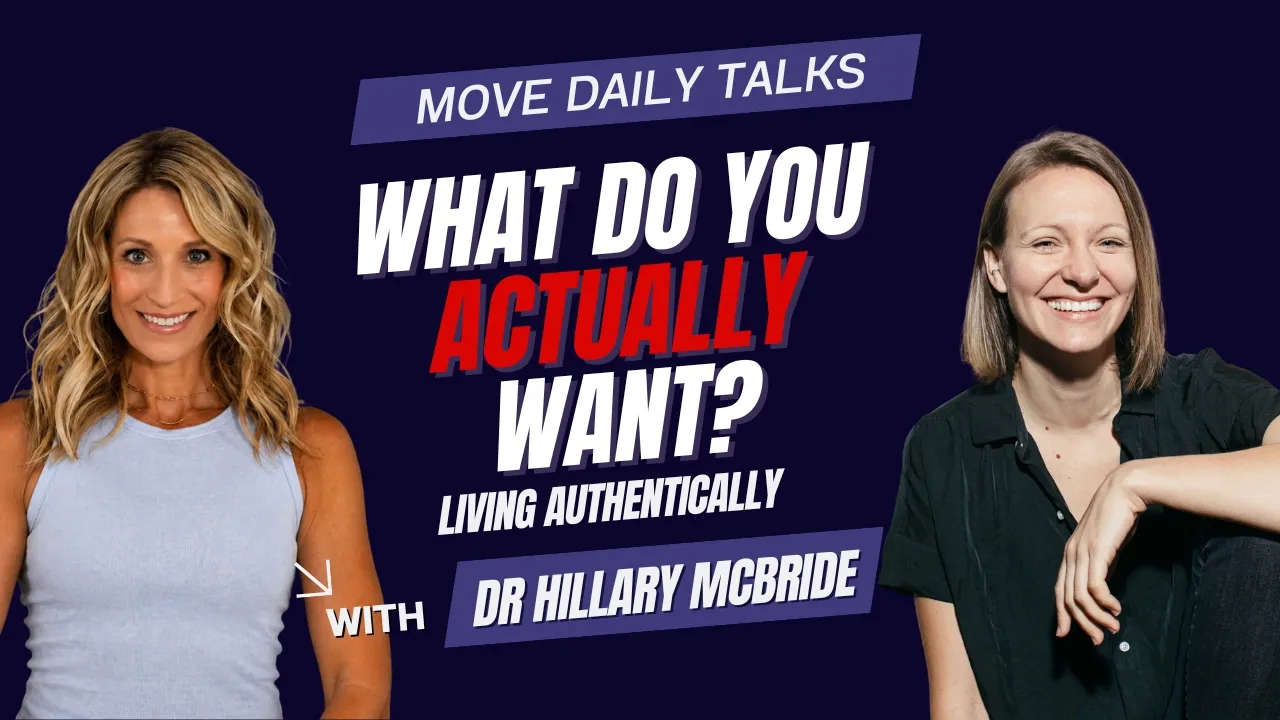
Every Saturday Tracy is joined by a special guest on her hugely successful, and informative podcast, Move Daily Talks. Here is the latest release for you to listen to, learn from and enjoy. Or watch it on YouTube.
This Weeks Workouts!
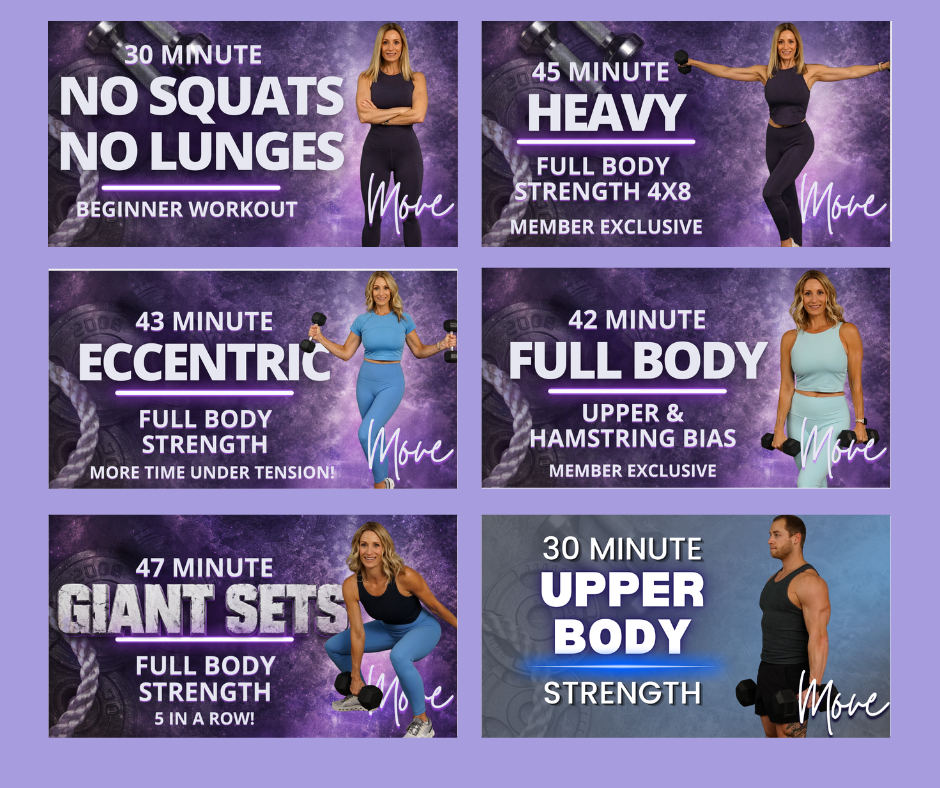
Here is your handy reminder of the current week’s workouts. All of the workouts are available either free via the YouTube channel, or are the Members Exclusive workouts, which you can access if you sign up to our Membership. Don’t forget that the workouts are released across the week and so make sure you are signed up for YouTube notifications by subscribing to the channel.