
Menopause Minus the Drama
For many of you, menopause arrives with an overwhelming amount of information – and unfortunately, a lot of it is inaccurate. Some messages suggest that weight gain is inevitable. Others claim fat loss becomes impossible. Some imply there is only one acceptable way to manage symptoms.
The truth is more nuanced and far more empowering.
Menopause is a biological transition, not a metabolic catastrophe. Hormonal shifts do influence the body, particularly in areas such as fat distribution, muscle mass, and appetite regulation. However, these changes occur within systems that remain highly adaptable.
When you understand what is actually happening physiologically, you can make choices that support health, body composition, and overall wellbeing during this stage of life.
Let’s unpack three of the most common myths.
- Myth 1 – The “Menopause Belly” isn’t a real thing: You may have heard people dismiss the idea of a “menopause belly” entirely. In reality, there is a biological basis for changes many women notice around the midsection during midlife. Declining estrogen levels influence where fat is preferentially stored in the body. During the reproductive years, fat storage tends to favour the hips and thighs. As estrogen falls, the body becomes more prone to storing fat in the abdominal region. This shift is partly linked to changes in insulin sensitivity, cortisol regulation, and fat distribution patterns. However, recognising that this shift exists does not mean accepting it as inevitable or irreversible. Muscle-preserving resistance training, adequate protein intake, good sleep, and managing energy balance all help regulate fat storage patterns. The key message is not that abdominal fat gain must occur – but that the rules of the game may change slightly, and your strategy should evolve accordingly.
- Myth 2 – Menopause stops you losing body fat: This is one of the most discouraging myths circulating among midlife women – and it is simply not true. Fat loss still follows the same fundamental physiological principle it always has: sustained energy balance over time. If energy intake is consistently lower than energy expenditure, body fat can be lost. What does change during menopause are several factors that make this process feel harder. Metabolic rate can decline slightly with age, often due to loss of lean muscle mass. Appetite regulation can shift. Sleep disruption and stress can influence food intake and energy levels. Activity levels sometimes fall as life becomes busier or joint discomfort increases. These changes create environmental and behavioural challenges, not metabolic impossibility. Women in their 40s, 50s, and beyond lose body fat successfully every day when they focus on the key pillars: resistance training, adequate protein, appropriate calorie intake, and consistent lifestyle habits. The goal during midlife is not extreme dieting, but strategic consistency.
- Myth 3 – There is only one way to manage menopause: Hormone Replacement Therapy (HRT) has been transformative for many women and can be an extremely effective option for symptom management. For some women, it significantly improves sleep, mood, hot flushes, and overall quality of life. However, it is not the only path available, and not every woman is able or willing to use it. Lifestyle interventions still play a powerful role in supporting the body through menopause. Strength training helps preserve muscle and bone density. Nutrition supports metabolic health and energy stability. Sleep and stress management influence everything from appetite hormones to mood regulation. Many women benefit from a layered approach, combining medical support where appropriate with foundational lifestyle habits that protect long-term health. The most empowering message is that menopause management is not one-size-fits-all. Women have options.
Menopause does bring changes – but many of the stories circulating about it exaggerate what those changes mean. Fat distribution can shift, but strategies exist to manage it. Fat loss is still possible with the right approach, and there is no single “correct” way to navigate this stage of life.
Midlife is not a closing chapter for strength, vitality, or confidence. In many ways, it is the stage where women begin to prioritise their health with greater intention and clarity than ever before.
Understanding the science allows you to move through menopause informed rather than intimidated.
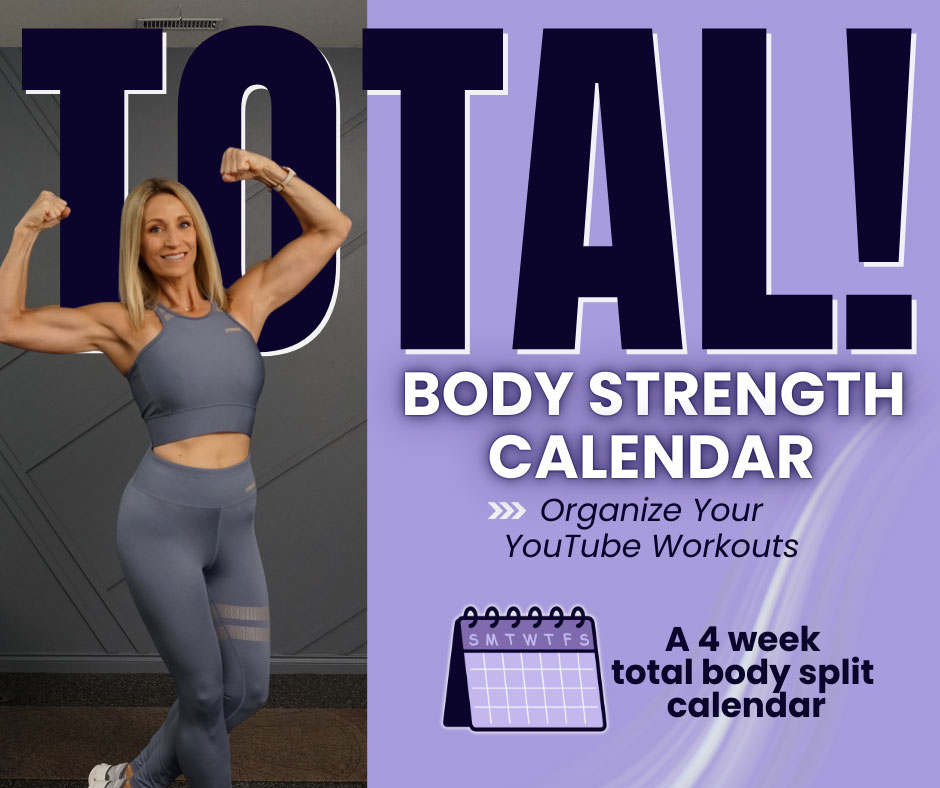
New! Total Body Strength Calendar
Are you ready to BUILD? You know the benefits of lean muscle for your health, but also how you feel about your body. When you feel good in your skin, you feel more confident, more at home in your body. Tracy has created an incredibly focused strength calendar, which even has cardio built in, to ensure balance in your training. Plus, its only $10USD! Get started now and get excited to see your results.
Join Tracy and Guests on Move Daily Talks
Every Saturday Tracy is joined by a special guest on her hugely successful, and informative podcast, Move Daily Talks. Here is the latest release for you to listen to, learn from and enjoy. Or watch it on YouTube.

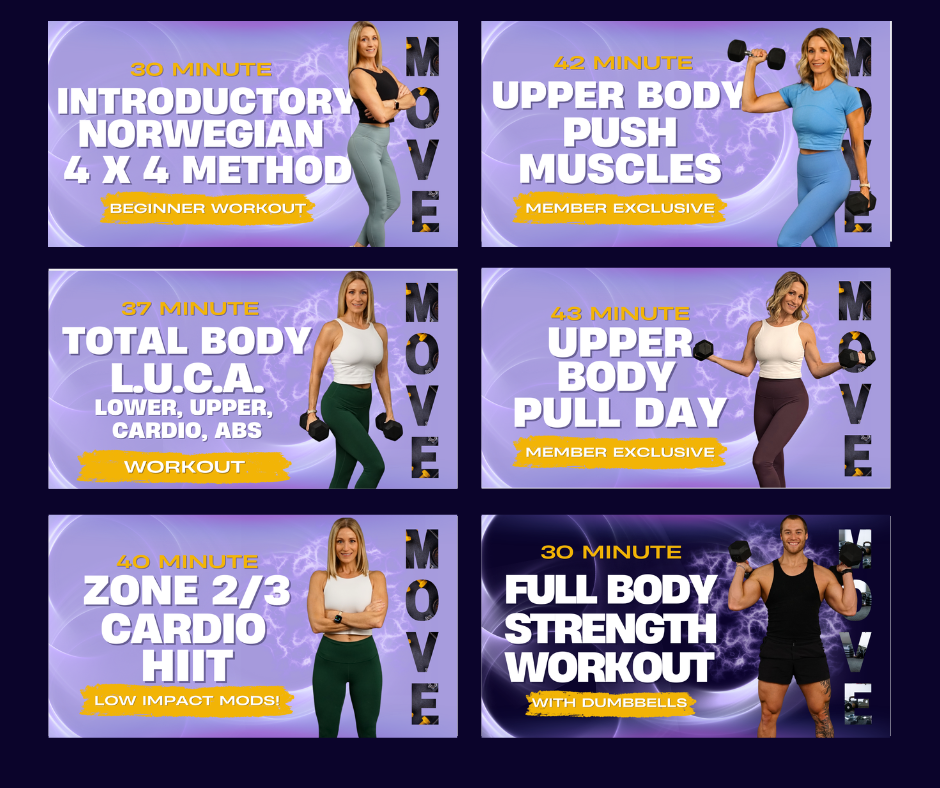
This Weeks Workouts!
Here is your handy reminder of the current week’s workouts. All of the workouts are available either free via the YouTube channel, or are the Members Exclusive workouts, which you can access if you sign up to our Membership. Don’t forget that the workouts are released across the week and so make sure you are signed up for YouTube notifications by subscribing to the channel.