Protein Myths That Are Holding You Back
Over the last few years, protein has become so mainstream, it now seems that every company, influencer or expert in the industry is mandating we eat more of it. In principle this is great – protein is not just optimal, its essential to life, and getting sufficient load in our diets has extensive evidence behind it. However, as always, when something becomes a hot topic, the promotion of it can get very twisted, as everyone tries to find a click-bait worthy angle to garner attention. All of a sudden something that is very basic and simple, becomes complicated and confusing.
You may worry you’re are not getting enough, panic about timing or feel confused as to whether a protein bar and a lentil stew do exactly the same thing in the body. Protein is critical in midlife. It supports muscle protein synthesis, bone density, metabolic health, satiety regulation, and recovery. As estrogen declines, maintaining lean mass becomes more important, not less. But we need clarity, not confusion.
Let’s bust three of the most common myths.
- Myth 1 – you can’t get enough protein if you’re vegan: This one simply is not true. You absolutely can meet protein requirements on a vegan diet. The issue is not possibility – it is intentionality. Plant proteins often contain lower levels of certain essential amino acids, particularly leucine, which is a primary trigger for muscle protein synthesis. That means if you’re vegan, you need to be slightly more strategic. Your very own Coach Kim is a vegan and has been for a long time. As any of you who have seen a photo of her shoulders, Kim shows us getting protein as a vegan and building muscle is 100% possible, For most midlife women aiming to maintain or build muscle, a practical target is around 1.2–1.6g of protein per kilogram of bodyweight per day. Utilizing higher protein staples such as tofu, tempeh, edamame and lentils, as well as a high quality plant based protein powder are great tactics. Legion have a great plant based protein supplement that includes 9g of essential protein per serving. You can even use code movedaily at checkout. Soy, pea, and blended plant proteins can absolutely support lean mass when total intake is adequate. The body cares about total essential amino acids over the day, not whether they came from plants or animals. Essentially, vegan women do not lack protein options. They simply need a plan.
- Myth 2 – you have to eat protein within 30 minutes of lifting: The so-called “anabolic window” has been dramatically overstated. Resistance training sensitises muscle tissue to amino acids for up to 24 hours post-session. That means your body remains primed to utilise protein well beyond a narrow 30-minute window. If you train fasted and do not eat for several hours afterwards, that may not be optimal. But if you had a protein-containing meal 1–2 hours before training, you are already covered. What matters more than precise timing is:
- Total daily protein intake
- Ideally even distribution across meals
- Sufficient leucine per meal (roughly 2.5–3 g)
- Myth 3 – all protein is equally satiating: Protein is generally more satiating than carbohydrate or fat, but not all protein-containing foods behave the same way in the body. Satiety is influenced by protein density (grams per calorie), food volume, fibre content, texture and chewing and gastric emptying rate. For example, 25 g of protein from Greek yogurt will likely feel more filling than 25 g from a small, ultra-processed protein bar. A lentil and vegetable stew may produce greater satiety than a protein shake because of its fibre, volume, and slower digestion. Liquid calories tend to be less satiating than solid food. Highly processed products are often easier to overconsume. If you need some inspiration, grab Stratton’s High Protein Playbook, over 120 recipes for only $5USD! For women in midlife navigating appetite changes, hormonal shifts, and sometimes reduced energy expenditure, choosing protein sources that promote fullness can make fat loss or weight maintenance far easier. The principle is simple: prioritise whole-food protein sources first, then use powders and convenience products strategically.
Protein is not complicated, but it does require awareness – particularly in midlife. You can thrive on a vegan diet with adequate planning. You do not need to panic about a 30-minute post-workout window, and not all protein sources will support satiety equally. For you, the goal is not just hitting a number. It is preserving lean tissue, supporting metabolic resilience, stabilising appetite, and ageing powerfully.
 Lift well. Eat enough protein. Spread it across the day. Keep it mostly whole-food based
Plentiful Protein
As mentioned above, you don’t need to panic about protein if you are a vegan. Often small tweaks to non vegan recipes can really open up more options. Take a look at these delicious examples from Tracy herself:
- Lasagne style zucchini rolls (sub for a vegan cheese)
- Mixed bean ragu (add a dollop of vegan Greek yoghurt)
- Stewed curried lentils (add some crispy tofu to increase protein even more)
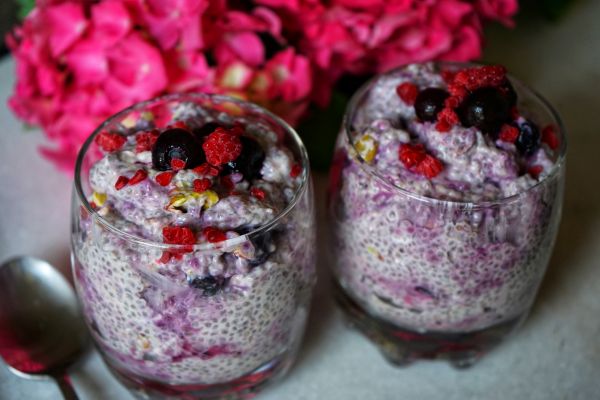
- Blueberry and pistachio chia pudding bowls (sub a plant based yoghurt)
- Strawberry protein balls (sub a plant based protein powder)
Join Tracy and Guests on Move Daily Talks
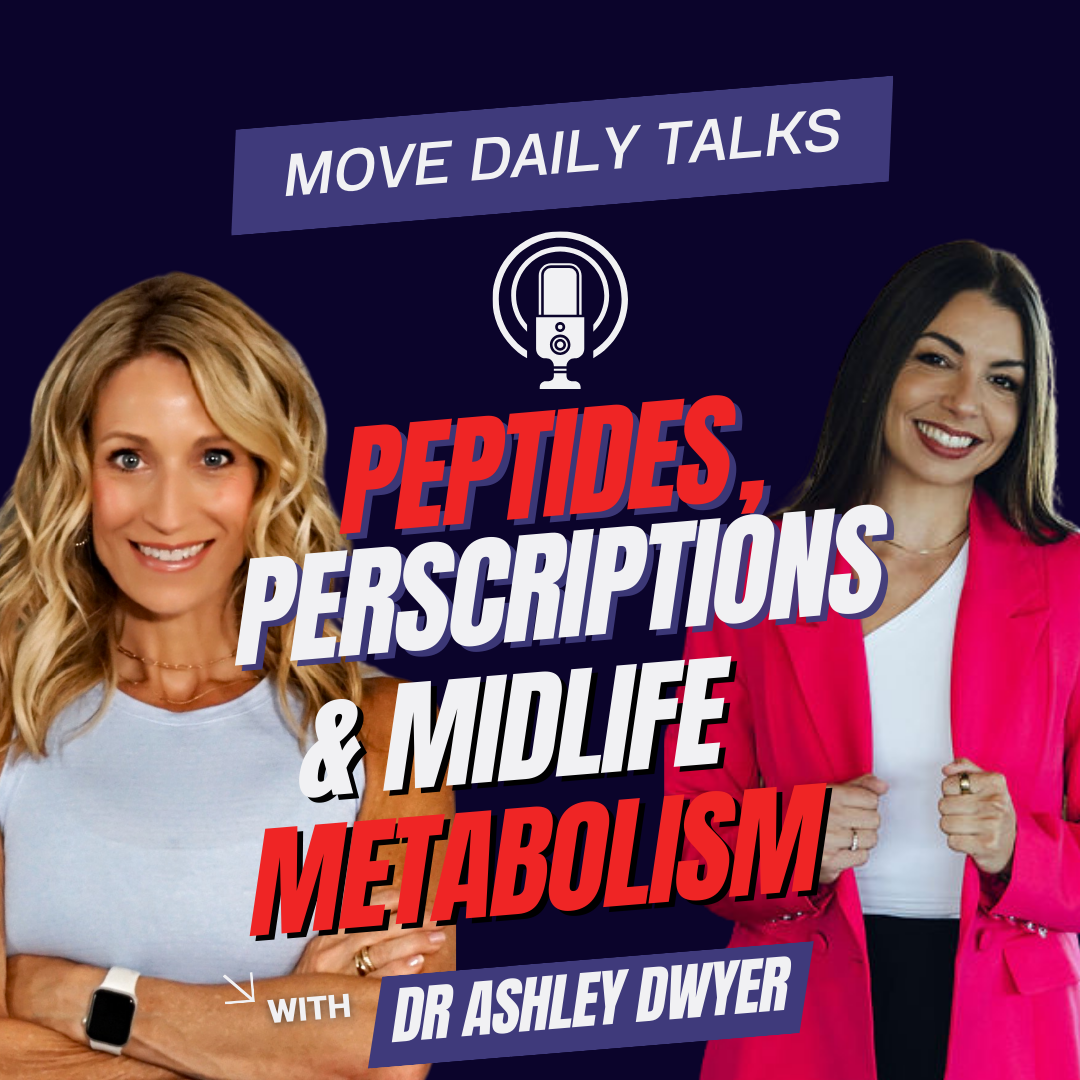
Every Saturday Tracy is joined by a special guest on her hugely successful, and informative podcast, Move Daily Talks. Here is the latest release for you to listen to, learn from and enjoy. Or watch it on YouTube.
This Weeks Workouts!
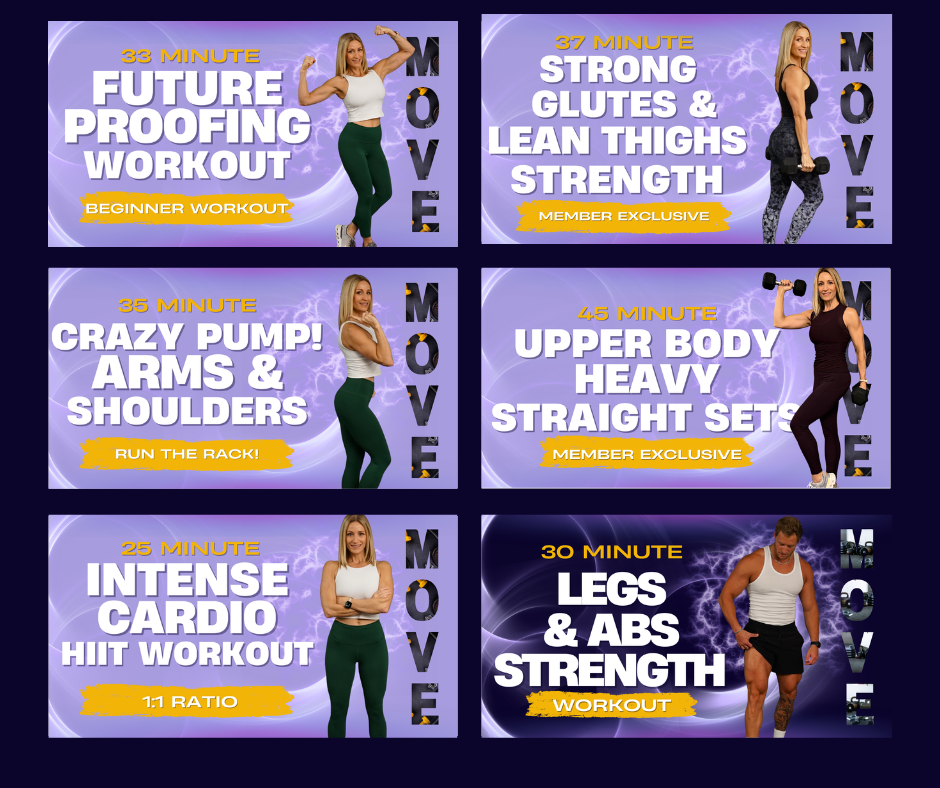
Here is your handy reminder of the current week’s workouts. All of the workouts are available either free via the YouTube channel, or are the Members Exclusive workouts, which you can access if you sign up to our Membership. Don’t forget that the workouts are released across the week and so make sure you are signed up for YouTube notifications by subscribing to the channel.