Fasted Training: Separating Physiology from Hype
Fasted training is one of those topics that refuses to die. Depending on who you follow, it is either the secret to accelerated fat loss or a metabolic disaster waiting to happen. The truth, as usual, sits squarely in the middle.
Training in a fasted state simply means exercising after an overnight fast, before consuming calories. For most people, that means a morning workout before breakfast. The metabolic environment is different in that state. Insulin is lower, glycogen is partially depleted, and circulating fatty acids are higher. But different does not automatically mean better or worse.
Let’s clear up three of the most persistent myths:
- Myth 1 – You burn more body fat if you train fasted: This is the most common claim. It is true that during fasted exercise, the body oxidises a greater percentage of fat for fuel. Lower insulin and reduced carbohydrate availability increase reliance on fatty acids. However, fat oxidation during a workout is not the same as fat loss over time. Body composition changes are determined by total energy balance across days and weeks, not by which substrate is used in a 45-minute session. When daily calories and protein are controlled, research consistently shows no meaningful difference in fat loss between fasted and fed training conditions. So yes, you may burn more fat during the session. But that does not automatically translate to greater reduction in body fat overall.
- Myth 2 – You cannot build lean muscle if you train fasted: Muscle growth depends primarily on mechanical tension, progressive overload, adequate protein intake, and sufficient total energy. It does not depend on whether you had porridge beforehand. That said, training completely fasted without protein available for long periods can reduce the net muscle protein balance in the short term. If you lift weights at 6am and do not consume protein until midday, you are simply delaying recovery signalling. But if total daily protein is adequate and distributed well across the day, there is no physiological barrier to building lean mass while training fasted. Performance is the real variable here. Some people simply lift heavier, train harder, and produce more training volume when fed. If fasted training compromises intensity, muscle gains may indirectly suffer. That is a performance issue, not a metabolic impossibility.
- Myth 3 – Women specifically should not train fasted: This one often circulates in hormonal health conversations. The claim is that fasted training “spikes cortisol,” “damages hormones,” or is inherently unsafe for women. Here is what we know. Exercise itself increases cortisol and catecholamines (which are stress hormones and neurotransmitters) regardless of feeding state. In healthy, well-fuelled women with adequate overall calorie intake, fasted training does not inherently damage endocrine function. Where problems can arise is in the context of chronic energy deficit, very high training volume, poor sleep, high psychological stress, low carbohydrate intake In that scenario, adding fasted high-intensity training can compound stress load. But the issue is overall stress physiology and energy availability, not biological sex alone. For women with irregular cycles, perimenopausal symptoms, or signs of low energy availability, fuelling before intense sessions may feel and perform better. The decision should be individual, not ideological.
Practical tips if you wish to train fasted:
- First, match the strategy to the session. Low-to-moderate intensity aerobic work is generally well tolerated fasted. High-intensity intervals or heavy resistance training may benefit from at least a small protein or carbohydrate feed beforehand if performance matters.
- Second, prioritie protein timing. If you train fasted, aim to eat within an hour or so of your session, to help support recovery and muscle protein synthesis. Spread your protein intake over the course of your day to maximise its efficiency.
- Third, monitor how you actually feel and perform. Look at objective markers such as strength progression, recovery quality, menstrual regularity (where applicable), mood, and sleep. If performance declines or recovery worsens, fuelling adjustments are usually the first lever to pull.
Fasted training is a tool, not a magic trick and not a metabolic mistake. It does not guarantee superior fat loss, it does not prevent muscle growth, and it is not automatically inappropriate for women. The most important variables remain remarkably unglamorous: progressive training, adequate protein, sufficient total energy, and consistency over time.
Contemplating a GLP-1? We have you covered
GLP-1’s fat loss drugs are becoming increasingly prevalent in our society and that’s not likely to change any time soon. We always want to support you in any safe and appropriate method you choose to use, to improve your health and longevity. That’s why we designed and built Muscle Matters “Optimize Your GLP-1 Journey”. It’s a program filled with the key tool’s you need, for a safe, effective and progressive journey with your GLP-1 medication. From workouts to coaching, guidance on eating low calorie AND meal plans to take the effort away, you have it all in once place. If you’re feeling nervous about going it alone on a GLP-1, you don’t have to. Let us walk the road right beside you.

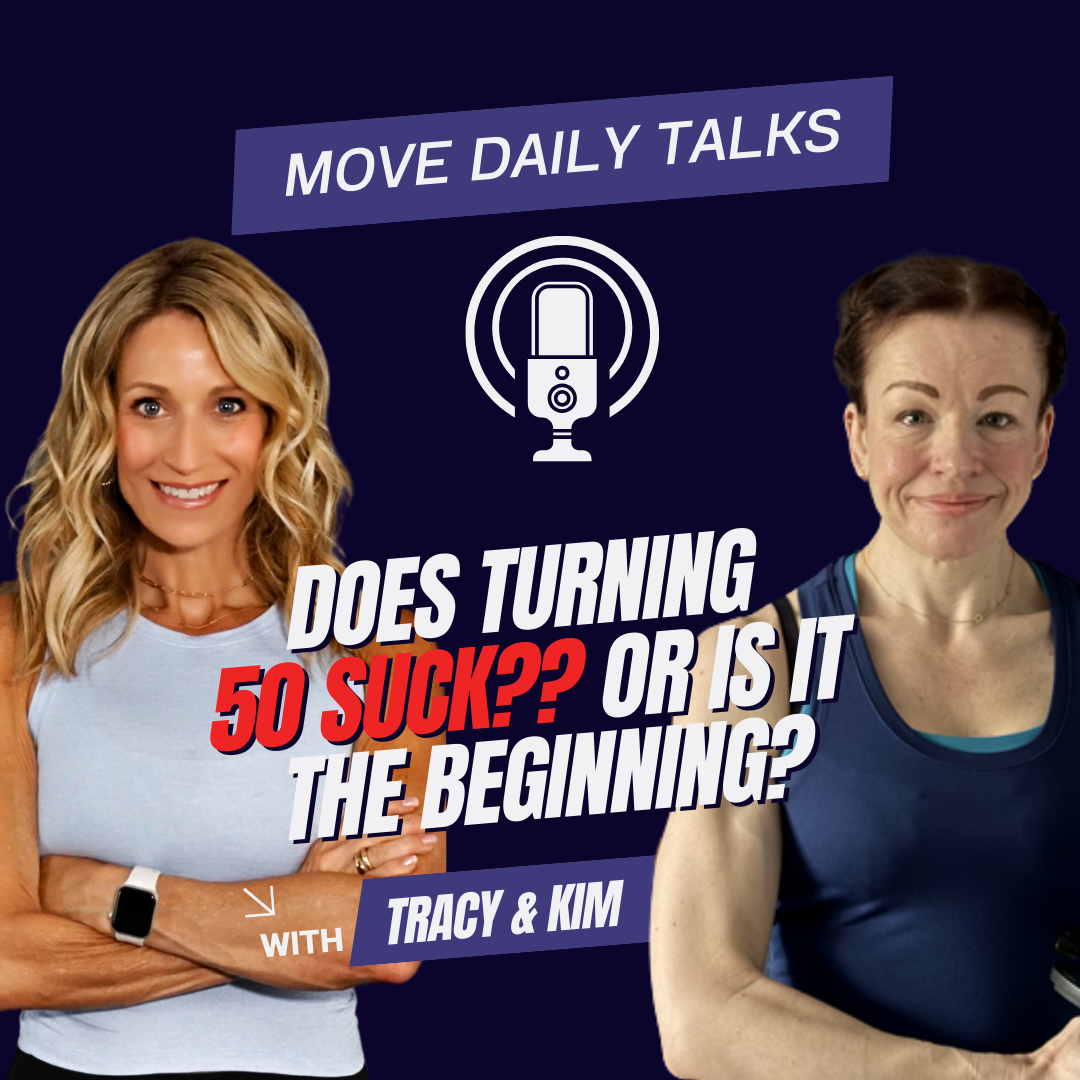
Join Tracy and Guests on Move Daily Talks
Every Saturday Tracy is joined by a special guest on her hugely successful, and informative podcast, Move Daily Talks. Here is the latest release for you to listen to, learn from and enjoy. Or watch it on YouTube.
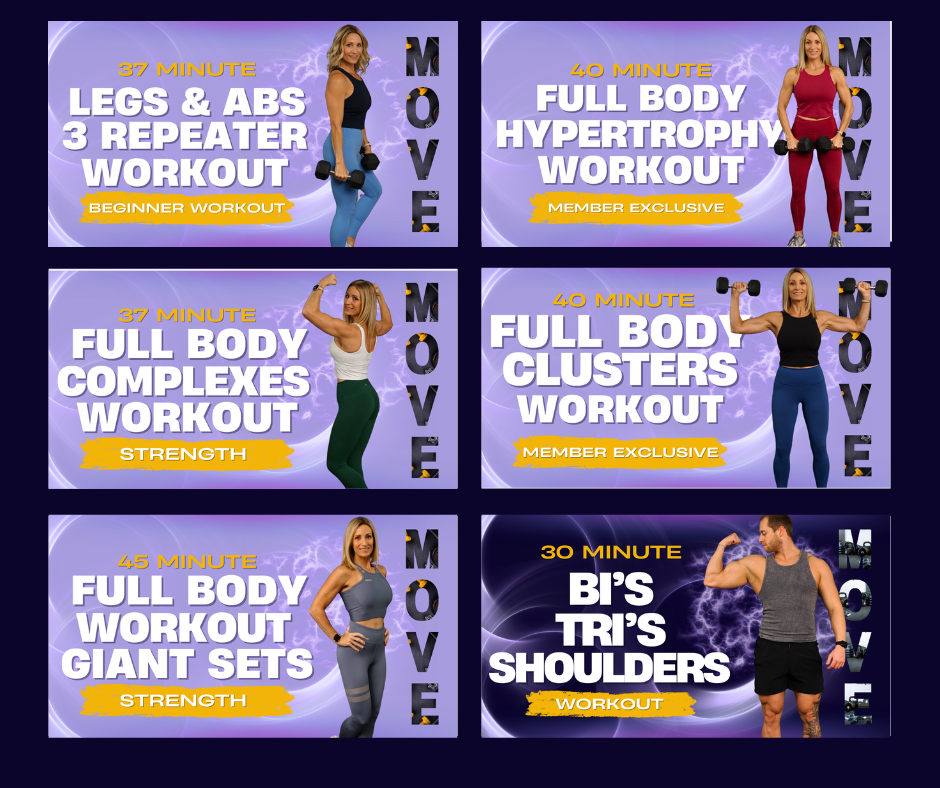
This Weeks Workouts!
Here is your handy reminder of the current week’s workouts. All of the workouts are available either free via the YouTube channel, or are the Members Exclusive workouts, which you can access if you sign up to our Membership. Don’t forget that the workouts are released across the week and so make sure you are signed up for YouTube notifications by subscribing to the channel.