The Health Factor Adding Years to your Life
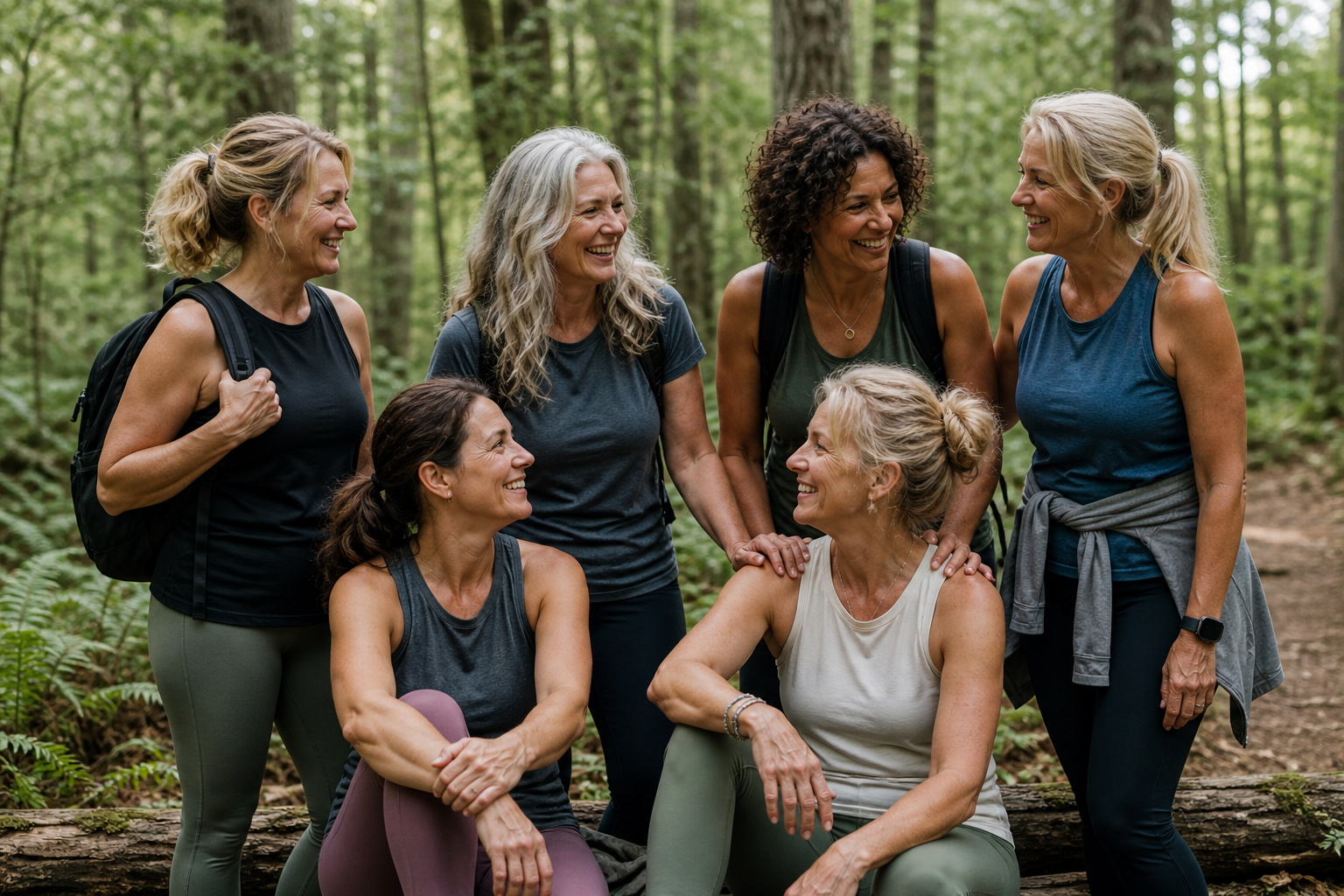
When we talk about improving health, the focus almost always lands on nutrition, exercise, and sleep. And rightly so. But there’s another factor, just as powerful, that rarely gets the same attention – human connection.
Research led by Julianne Holt-Lunstad (a leading Professor of Psychology and Neuroscience at Brigham Young University), has shown that people with strong social relationships have around a 50% greater likelihood of survival compared to those who are more isolated. You can read about her work right here or the more detailed study outcomes here. That’s not a small effect. It sits alongside some of the biggest drivers of long-term health. The inverse matters too. Loneliness and social isolation are linked with increased risk of cardiovascular disease, cognitive decline, and earlier mortality. Connection helps regulate stress responses, immune function, and behaviour patterns. We cope better, recover better, and stay more consistent when we’re not doing life alone.
What “community” actually means…..community doesn’t have to be big, loud, or highly social. It might be two people who check in on each other regularly. It might be a small, familiar group. Or it might be something larger that you dip in and out of when you need it. The defining feature isn’t size. It’s a sense of belonging and consistency. The goal isn’t to build the biggest circle possible, but to find something that feels accessible, sustainable, and genuine for you.
You know already, about all the typical ways to find a community – the Pickleball group that meets every Thursday, the local Church coffee catch-up’s – so let’s see if you may find inspiration in some alternative approaches:
- You might start by layering connection onto something you already do. A regular walk, a weekly coffee, even errands – these become opportunities when shared with one other person.
- Another approach is to build connection through shared exchange rather than shared activity. Skill-swaps, informal teaching, or learning something together naturally create interaction without forced conversation.
- Some of the strongest communities form around shared circumstances rather than shared interests. People with similar schedules, pressures, or life stages often connect more easily because there’s immediate understanding.
- You could also create your own structure. A simple, repeatable anchor point – a monthly catch-up, a set time to move, a standing invitation – often works better than waiting to “find” something established.
- Volunteering can be powerful, particularly when it involves seeing the same people repeatedly, allowing familiarity to build over time.
- Don’t negate the fact that community doesn’t have to be in-person. A well-run online space where people actively engage, share progress, and show up regularly can provide genuine accountability and connection. It’s not about scrolling. It’s about participation.
It can feel like a huge step, to start or join a community, but it doesn’t have to be this way:
- The starting point is to lower the expectation. You don’t need to feel confident or settled. You just need to show up once.
- It helps to choose environments that have structure or purpose, rather than open-ended social situations. A shared task removes pressure and gives you something to anchor to.
- Give yourself more than one attempt. The first time will always feel unfamiliar. By the second or third, your brain starts to recognise it as safe.
- You also don’t need to be the most outgoing person in the room. Showing up, listening, and speaking to one person is enough. That’s how most connections actually begin.
- Perhaps most importantly, recognise that the feeling of “I don’t quite belong here yet” is rarely unique. Most people are working through the same internal dialogue — they’re just quieter about it.
We spend a lot of time thinking about what we should eat and how we should train, but who we surround ourselves with quietly shapes our behaviours, our resilience, and our long-term health. Community doesn’t need to be perfect or immediate. It just needs to be consistent, real, and yours.
Our Communities for You
At Move Daily, the community that you are a part of is such a rich part of all we celebrate and stand for. For Tracy, it is vital that there are choices for all our Movers, so you can feel as sense of belonging, in whichever form work’s for you.
- On Facebook we have our free Move Daily Hustle group. It’s a really active, happy, health and fun focused space, but as its so busy, it’s actually a great space to dip your toe in the water of a community space. You can sit back, perhaps click “like” on a post or two, or even add a comment. It is a really easy place to be and feel anonymous, if that’s where your comfort area sits at the moment. Likewise, if you want to get stuck in and love being around likeminded people, it’s also a super space.
- Also via Facebook, but with a different vibe, we have the private Facebook group for our Move Daily Members. This space is exclusively women only, which allows it to be a beautiful supportive, safe and encouraging group, where you really can share your worries, win’s and life stresses. It is a true collective of women, lifting each other with genuine joy and emotional care.
Join Tracy and Guests on Move Daily Talks
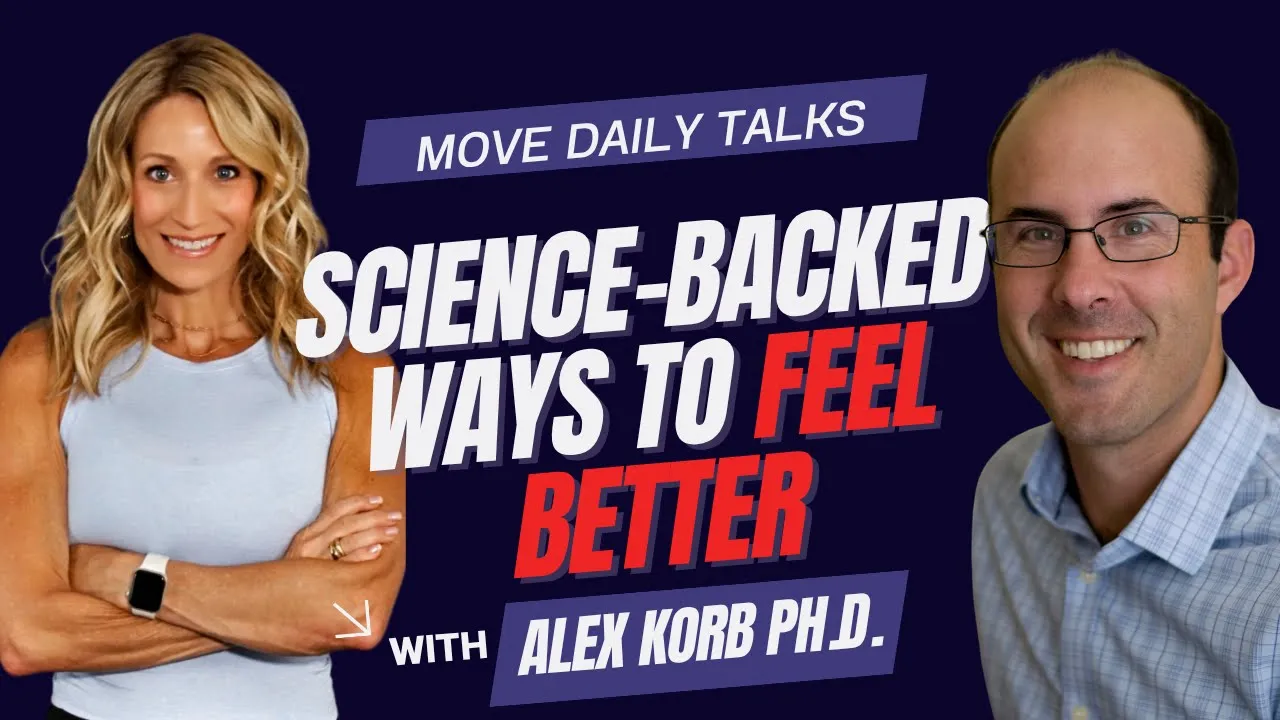
This week we are re-sharing a very relevant podcast Tracy did with Alex Korb PhD. Alex and Tracy spoke about positive change and how it can impact mood and behaviour. As growing your own community is a super example of a positive change, this is a great listen if you’re thinking about how to support your mental health. You can listen here or watch it on YouTube.
This Weeks Workouts!
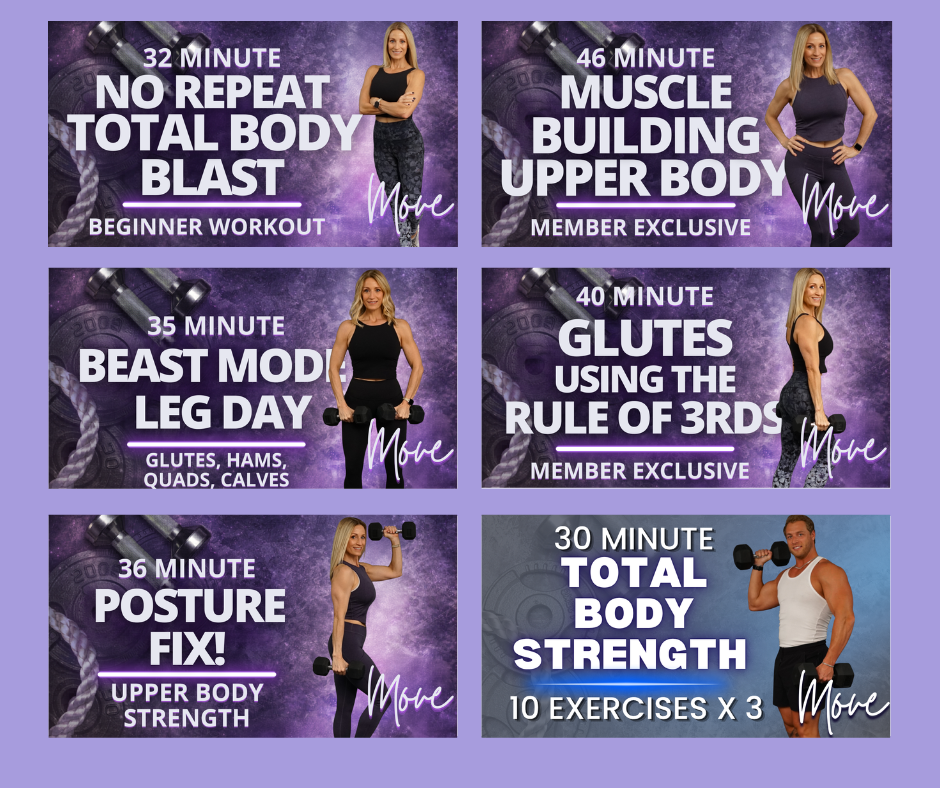
Here is your handy reminder of the current week’s workouts. All of the workouts are available either free via the YouTube channel, or are the Members Exclusive workouts, which you can access if you sign up to our Membership. Don’t forget that the workouts are released across the week and so make sure you are signed up for YouTube notifications by subscribing to the channel.