The “Food First” Approach to Supplementation
Not everyone wants to rely on supplements. Whether it’s preference, cost, or simply wanting a more food-first approach, you may rather support your vitamin and mineral intake through nutrition.
This approach is very valid and we wanted to speak to that today. That said, it’s important to be clear: supplements absolutely have their place. If you have a diagnosed deficiency or levels low enough to impact health, supplementation can be essential. In those cases, we always recommend working with your doctor and using regular blood testing to guide both dose and duration.
However, if your goal is to optimise (not correct severe deficiency), your daily food choices can do a lot of the heavy lifting. Let’s break down some of the most common nutrients people worry about – and how to support them naturally.
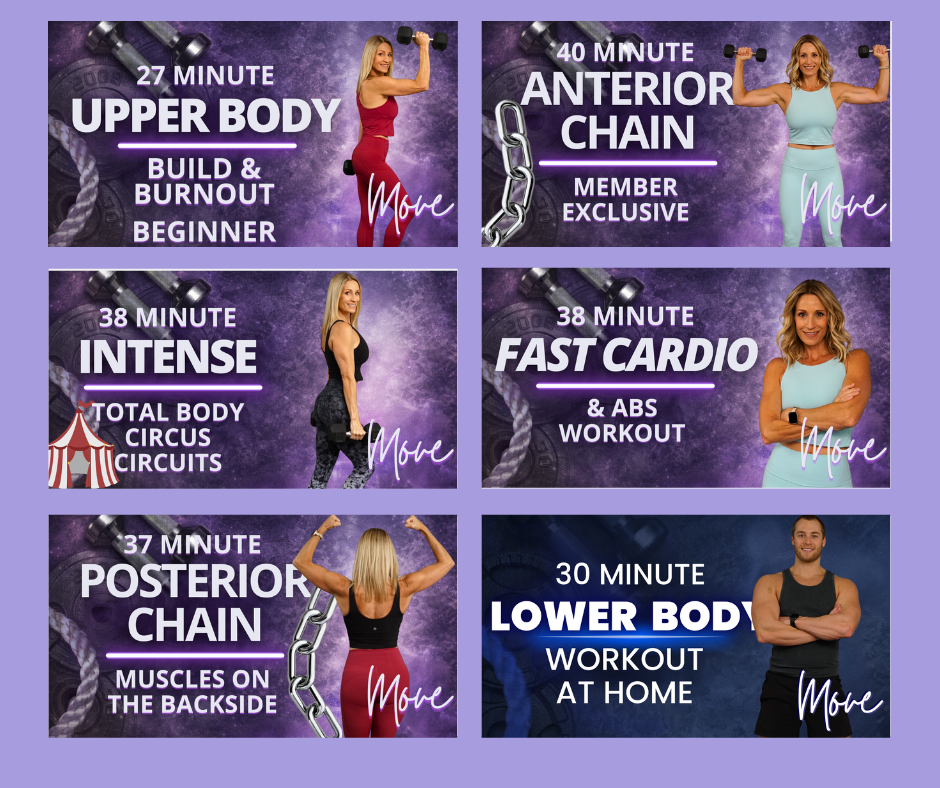
- Vitamin D: Vitamin D is one of the most commonly supplemented nutrients, particularly in places like the UK where sunlight exposure is limited. From a nutrition perspective, options are actually quite limited. You’ll find small amounts in egg yolks, fortified dairy or plant milks, and mushrooms exposed to UV light, but food alone rarely provides enough. Which means this is one area where lifestyle matters just as much as diet. Regular sunlight exposure (when possible) is your most effective tool. Even short periods outdoors with skin exposed can make a difference. Please of course be sensible with this advice and do not expose your skin for durations that may be damaging. In reality, many people will still require supplementation here but you can still take steps to support your body alongside.
- Calcium: Calcium is often associated with bone health, but it also plays a key role in muscle contraction and nerve signalling. Dairy is the most well-known source, but it’s far from the only option. You can also get meaningful amounts from fortified plant milks, calcium-set tofu, sesame seeds (tahini), almonds, and leafy greens like kale. Absorption matters here. Calcium uptake is enhanced by adequate vitamin D status, and can be inhibited by very high intakes of compounds like oxalates (found in spinach). So this isn’t just about intake, it’s about context and balance.
- Iron: Iron is one of the most common deficiencies, especially in women. There are two forms heme iron (from animal sources) – more easily absorbed and non-heme iron (from plant foods) – less efficiently absorbed. For those eating plant-based or predominantly plant-based diets, focusing on absorption becomes key. Good sources include lentils, chickpeas, tofu, pumpkin seeds, quinoa, and dark leafy greens. But the real strategy is pairing these with vitamin C-rich foods (like citrus, peppers, berries) to significantly enhance absorption. At the same time, be mindful that tea and coffee can inhibit iron absorption if consumed with meals, so timing matters.
- Magnesium: Magnesium is involved in over 300 enzymatic reactions in the body, including energy production, muscle function, and sleep regulation. Low intake is common, often due to modern diets being lower in whole foods. To increase magnesium intake, prioritise nuts (especially almonds and cashews), seeds, whole grains, dark chocolate, and leafy greens. Interestingly, factors like chronic stress, poor sleep, and high caffeine intake can increase magnesium requirements or losses, so lifestyle plays a role here too.
- B Vitamins (especially for plant-based diets): B vitamins are essential for energy metabolism, red blood cell formation, and nervous system function. Most are widely available in whole foods, but one stands out – vitamin B12. B12 is found almost exclusively in animal products. This means that those following a vegan diet are at high risk of deficiency without fortified foods or supplementation. Fortified foods like plant milks, nutritional yeast, and breakfast cereals can help, but it can still be difficult to consistently meet needs through food alone. Other B vitamins (like B6 and folate) are more accessible through foods such as legumes, whole grains, bananas, potatoes, and leafy greens.
In conclusion, you don’t need a cupboard full of supplements to support your health. A diet built around whole, minimally processed foods, with a bit of strategic pairing and variety, can go a long way in supporting your vitamin and mineral status. But equally, supplements aren’t something to fear or avoid.
The goal isn’t to be “all food” or “all supplements”, it’s to use the right tool for the right job, based on your individual needs.
Nutrition Support from Move Daily
Did you know there are stacks of ways you can get nutrition support, recipe ideas, hints and tips from across us all at Move Daily. Here are some of the ways:
- Recipes: Tracy has dozens of amazing recipes for free on our website. Everything from meal prep bowls, to delicious desserts and varied snacks.
- Stratton’s shares on Instagram: Stratton is always sharing recipes, ways to land your protein and great hacks on calories for fat loss. Check out his channel right here.
- Recipe Playbooks: we now have two playbooks filled with stacks of recipes. Take a look at the Protein or the Fiber one. They are such good value, why not get both?! You’ll have over 150 recipes ready to go!
- Book a 1-2-1 consult with Coach Kim: Kim is our resident certified Nutrition Coach and you can now book Kim for a bespoke 1-2-1 consult.
Join Tracy and Guests on Move Daily Talks
Every Saturday Tracy is joined by a special guest on her hugely successful, and informative podcast, Move Daily Talks. Here is the latest release for you to listen to, learn from and enjoy. Or watch it on YouTube.
This Weeks Workouts!
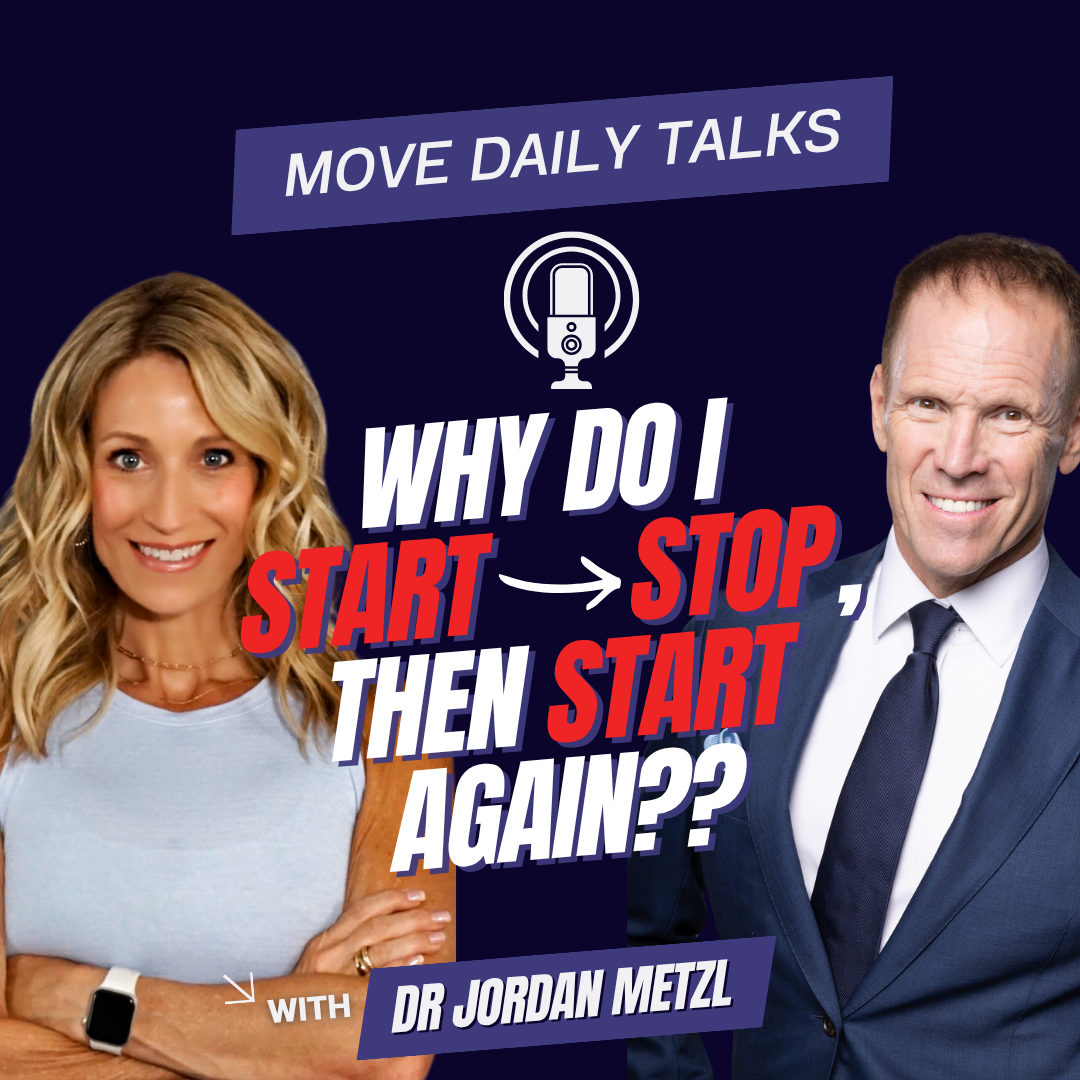
Here is your handy reminder of the current week’s workouts. All of the workouts are available either free via the YouTube channel, or are the Members Exclusive workouts, which you can access if you sign up to our Membership. Don’t forget that the workouts are released across the week and so make sure you are signed up for YouTube notifications by subscribing to the channel.