The Latest in Cholesterol Research
It’s always a huge step forward when research shifts and we see updates based on the more recent studies and evidence. In March of this year joint guidelines were released by the American Heart Association and the American College of Cardiology, focusing on cholesterol. This research has prompted sweeping updates to the 2018 guidelines around the early intervention for cholesterol management. Let’s summarise first what they are:
- LDL is no longer viewed in isolation: Greater emphasis is now placed on additional markers, particularly apoB and Lp(a), which are formally recommended for assessment.
- Screening is being encouraged earlier, often from your 30s: This reflects the understanding that arterial damage from lipids accumulates over time, so identifying risk sooner allows for earlier intervention.
- The traditional 1-year risk calculator has been phased out: It tended to overestimate cardiovascular risk in some cases by as much as 50%. This led to a mismatch in treatment – some higher-risk individuals were not managed aggressively enough, while lower-risk individuals were overtreated.
- Defined LDL targets have also been reintroduced: For those at high risk, levels should be below 70 mg/dL, and for individuals with a prior cardiovascular event, the target is even lower at below 55 mg/dL.
Thankfully there are steps we can take to support healthy cholesterol markers, noting that for some individuals, cholesterol levels are strongly influenced by genetics (e.g., familial hypercholesterolaemia). In these cases, lifestyle still matters, but medical support and monitoring are often essential:
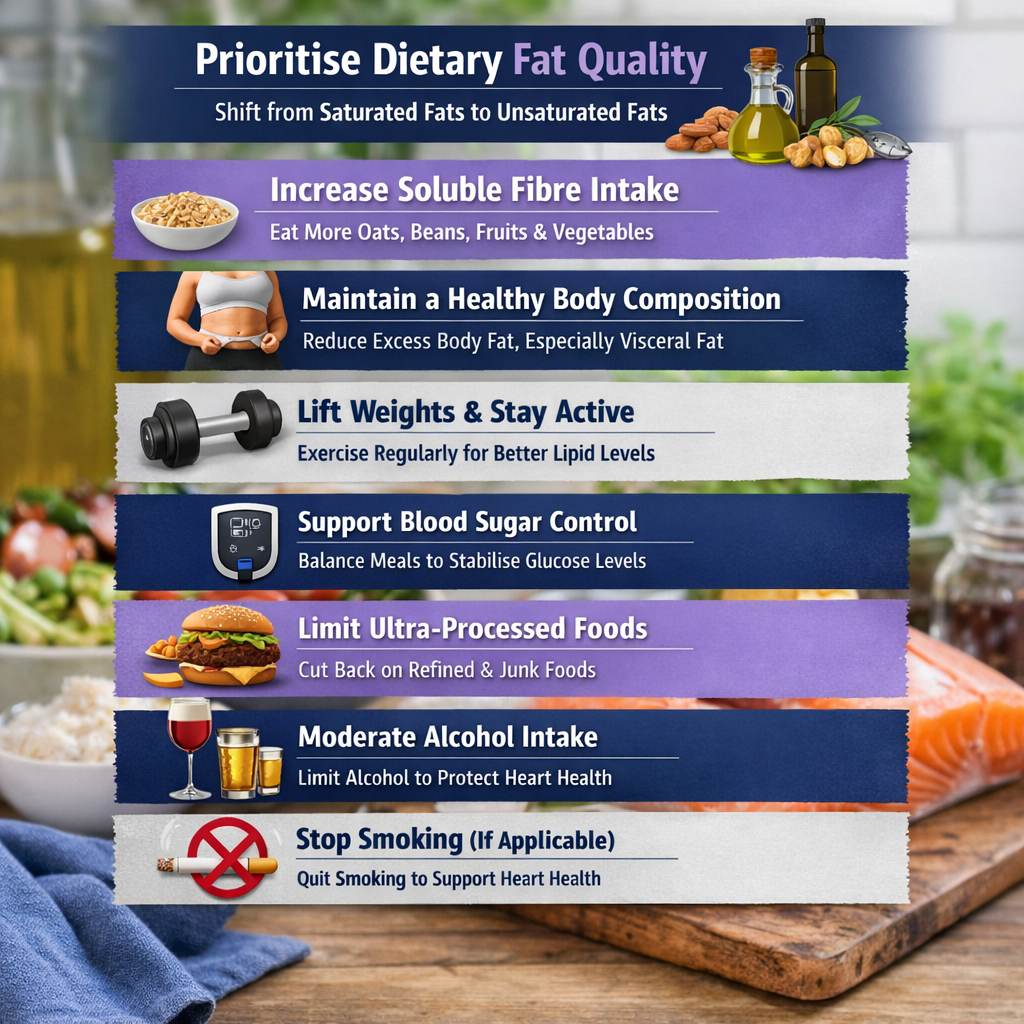
- Prioritise dietary fat quality: Shift away from saturated fats (butter, fatty meats, coconut oil) toward unsaturated fats like olive oil, nuts, seeds, and oily fish. This supports healthier lipid profiles, particularly lowering LDL.
- Increase soluble fibre intake: Foods like oats, beans, lentils, fruit, and vegetables contain soluble fibre, which helps bind cholesterol in the gut and remove it from the body.
- Maintain a healthy body composition: Reducing excess body fat – especially visceral fat (the fat around organs) can significantly improve cholesterol markers and overall cardiovascular risk.
- Lift weights and stay active: Resistance training and regular movement can help increase HDL, improve insulin sensitivity, and support better lipid metabolism.
- Support blood sugar control: Frequent blood sugar spikes can negatively impact lipids. Focus on balanced meals with protein, fibre, and healthy fats to stabilise glucose levels.
- Limit ultra-processed foods: Highly processed foods often contain refined carbohydrates, trans fats, and excess calories, all of which can worsen cholesterol markers.
- Moderate alcohol intake: Excess alcohol can raise triglycerides and negatively affect liver function, which plays a key role in cholesterol regulation.
- Stop smoking (if applicable): Smoking lowers HDL and damages blood vessels, accelerating the atherosclerotic process.
Although the documentation is extensive, if you wish to you can read the overall research on the ACC website, or via PubMed under PMID 41824590.
Increase Fiber to Support Cholesterol Management
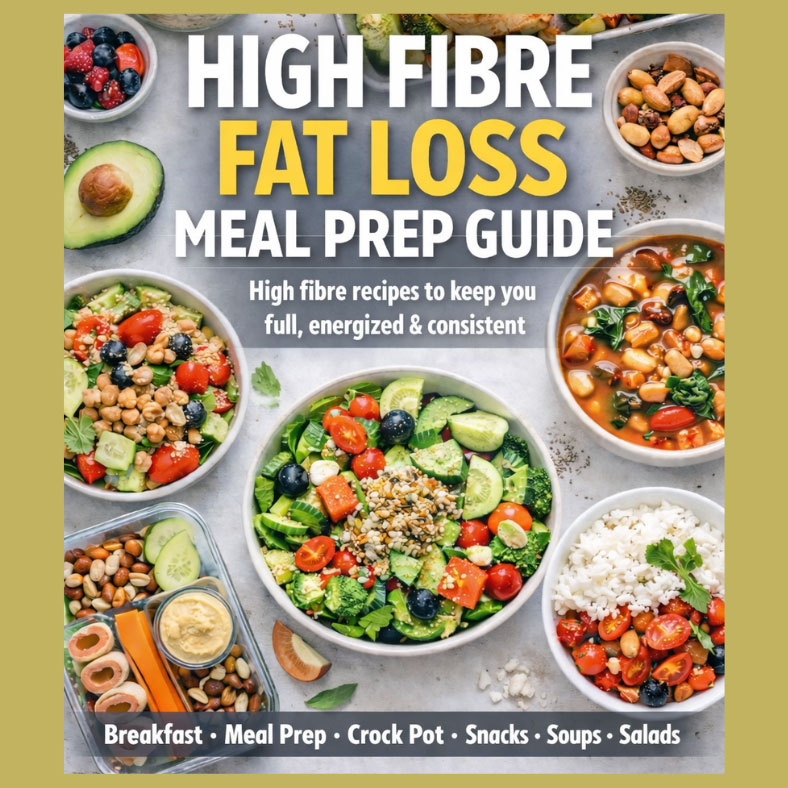
We know how vital fiber is to a healthy diet but it is extremely meaningful for managing cholesterol. Our High-Fiber Meal Prep guide is a terrific resource. Sweet and savory breakfasts, crockpot options, delicious soups and snacks too – it’s comprehensive, healthy and delicious! A great resource to have to hand. Download it here!
Join Tracy and Guests on Move Daily Talks
Every Saturday Tracy is joined by a special guest on her hugely successful, and informative podcast, Move Daily Talks. Here is the latest release for you to listen to, learn from and enjoy. Or watch it on YouTube.

This Weeks Workouts!
Here is your handy reminder of the current week’s workouts. All of the workouts are available either free via the YouTube channel, or are the Members Exclusive workouts, which you can access if you sign up to our Membership. Don’t forget that the workouts are released across the week and so make sure you are signed up for YouTube notifications by subscribing to the channel.