Cholesterol – Is It Really that Bad?
Cholesterol is often talked about as something we need to avoid, but it is actually essential for health. Our bodies use cholesterol to build cells, make hormones such as estrogen and testosterone, produce vitamin D, and help digest fats. The issue is not cholesterol itself, but how much is circulating in the blood and how it is carried around the body.
Because cholesterol does not mix with blood, it travels in packages called lipoproteins. These are what we measure on a cholesterol test. The main cholesterol and fat markers include:
- LDL cholesterol (low-density lipoprotein): LDL carries cholesterol from the liver to the rest of the body. It is often called “bad cholesterol,” but this is misleading. LDL becomes a concern when levels are high or when it is more likely to cause irritation and damage inside blood vessels.
- HDL cholesterol (high-density lipoprotein): HDL helps move excess cholesterol away from tissues and back to the liver to be reused or removed. Higher levels are generally linked with better heart health.
- Triglycerides: Triglycerides are a type of fat in the blood that closely reflect how we handle carbohydrates, sugar, and alcohol. High triglycerides are an important warning sign, especially when HDL is low.
Cholesterol results are best viewed as part of an overall picture – one number alone rarely tells the full story. Risk increases when several markers are out of range together and if this is alongside blood sugar issues, inflammation, or long-term stress on the heart and blood vessels, intervention is likely to be needed.
One of the nuances with cholesterol is beginning to become more well known – some people have genetic factors that affect cholesterol. Conditions such as familial hypercholesterolemia, which can reduce the body’s ability to clear LDL from the blood. Others may naturally respond more strongly to certain dietary fats. In these cases, lifestyle still matters, but medical input is often important. We would always encourage you to seek formal diagnosis from your medical practitioner and never make any assumptions around any results you receive.
Menopause can also influence cholesterol levels. As estrogen declines, many women see rises in total cholesterol and LDL. Estrogen helps protect the heart and blood vessels, so this shift partly explains why heart disease risk increases after menopause, even if weight and habits stay the same. Although it often feels like menopause really is the “gift that keeps on giving”, awareness means you can take action to support your health and so we wanted to highlight it.
Ways to support healthy cholesterol include:
- Moving regularly: including both strength training and cardio, which can improve how fats and sugars are handled in the body. Tracy has literally hundreds of workout on the YouTube channel and several playlists that dial in strength. If you need something more structured, why not consider How to Build Muscle as you Age 4.0, which has beginner and advanced options.
- Eating enough fibre: particularly from vegetables, legumes, whole grains, nuts, and seeds, which helps remove excess cholesterol. Make a batch of Tracy’s spring chia puddings for a fiber win.
- Choosing healthier fats: such as olive oil, nuts, seeds, and oily fish, instead of relying heavily on saturated fats.
- Getting enough protein: which supports muscle, metabolism, and blood sugar balance.
- Prioritizing sleep and managing stress: as both strongly influence cholesterol and heart health. Reading a great book can help preparing for sleep, and be a great tool to tackle stress. Dr Lisa Mosconi’s book The Menopause Brain is utterly fascinating. Get your copy and prioritize your wellbeing.
- Limiting ultra-processed foods and alcohol: which research shows are likely to be linked to poorer cholesterol patterns.
- Using medication when appropriate and directed by your doctor: this may be the case for those with genetic risk, where it can be protective and life-saving.
It is vital that you take time to understand these critical health markers – both the root cause and what you can do about them, if action is required. Please always speak to your medical practitioner if you are concerned.
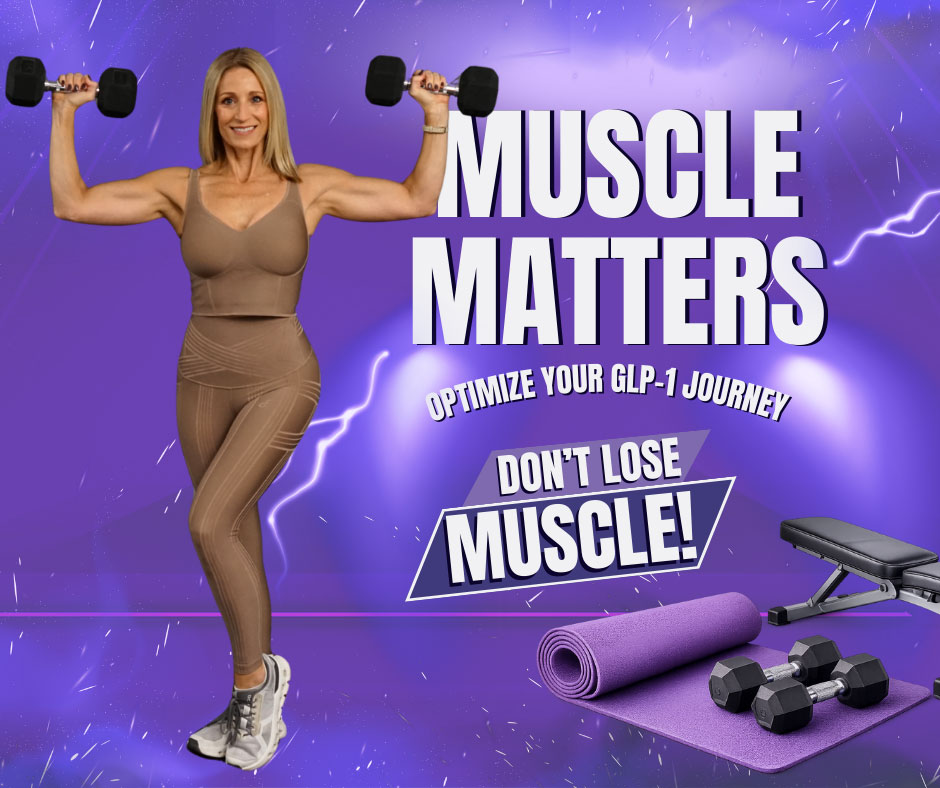
Muscle Matters! Your GLP-1 Journey
If you’re using a GLP-1 medication, fat loss isn’t just about eating less. Without the right support, muscle loss, strength decline, metabolic slowdown, and rebound weight gain become real risks.
Muscle Matters is a science-backed strength, nutrition, and behaviour program designed specifically for people on a GLP-1 journey who want to lose fat without losing muscle and build habits that last beyond medication use.
Inside the App, the program is structured into three clear areas: GLP-1-appropriate strength training to protect lean mass in lower-energy states; nutrition guidance to help you fuel adequately even when appetite is low; and a behavioural framework that prepares you not just for fat loss, but for maintenance and long-term success.
This is not about pushing harder. It’s about training smarter, fuelling intentionally, and protecting your body for the long term.
Muscle matters. Especially now.
Join Tracy and Guests on Move Daily Talks
Every Saturday Tracy is joined by a special guest on her hugely successful, and informative podcast, Move Daily Talks. Here is the latest release for you to listen to, learn from and enjoy. Or watch it on YouTube.

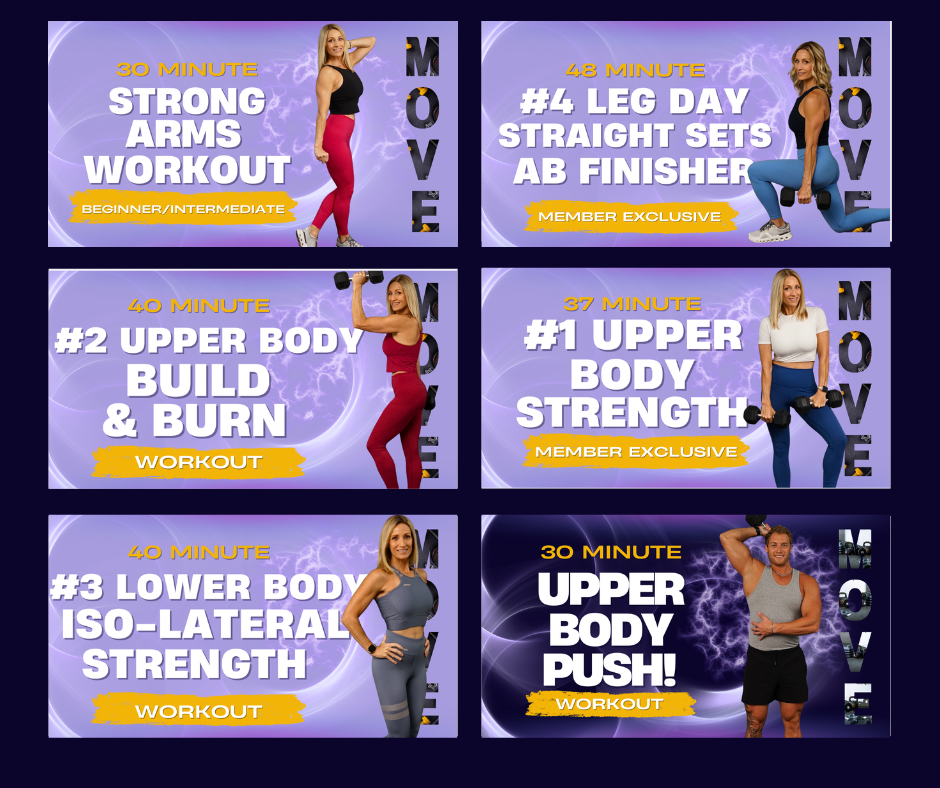
This Weeks Workouts!
Here is your handy reminder of the current week’s workouts. All of the workouts are available either free via the YouTube channel, or are the Members Exclusive workouts, which you can access if you sign up to our Membership. Don’t forget that the workouts are released across the week and so make sure you are signed up for YouTube notifications by subscribing to the channel.