What’s Life Without Coffee?!
For many of us, coffee feels less like a drink and more like a personality trait. It is the comforting start to the morning, the thing that gets us through meetings, school runs, deadlines, workouts, or that mid-afternoon energy crash. For some people, the phrase “don’t talk to me until I’ve had my coffee” feels a little too relatable. At the same time, there has been a huge amount of noise online around coffee and caffeine recently, so grab a cup and read on!
Coffee is one of the most researched drinks in the world, and overall, the evidence is actually fairly reassuring for most healthy adults. In fact, moderate coffee consumption has been associated in research with potential benefits including lower risk of type 2 diabetes, liver disease, and some cardiovascular and neurological conditions. Coffee also contains antioxidants and polyphenols, not just caffeine. That said, how people respond to caffeine can vary massively.
We know many of you in our community love your coffee, so let’s give you some reassurance and bust some myths.
“You can’t drink coffee on an empty stomach” – This is one of the biggest wellness claims circulating online right now. For most people, there is currently no strong evidence that drinking coffee on an empty stomach is inherently harmful. However, some individuals may find it worsens symptoms such as:
- Acid reflux
- Nausea
- Jitteriness
- Anxiety
- Digestive discomfort
So this is less about coffee being “toxic” on an empty stomach, and more about individual tolerance. If you feel perfectly fine drinking coffee before breakfast, there is no evidence-based reason you must stop.
“You shouldn’t drink coffee when you first wake up” – This idea largely comes from discussion around cortisol, one of the body’s natural alertness hormones. Yes, cortisol naturally rises in the morning. But the internet has turned this into an oversimplified rule that everyone should delay coffee for 90-120 minutes after waking. At present, there is limited evidence that having coffee immediately after waking is potentially harmful for most people. Some people do feel better delaying caffeine slightly – particularly if they experience anxiety, energy crashes, or heavy caffeine dependence – but this is not a universal health requirement.
“Coffee ruins your gut health” – Coffee often gets blamed for digestive issues, but the reality is more complicated. For some people, coffee can stimulate bowel movements or aggravate reflux symptoms, but coffee itself is not automatically “bad” for the gut. In fact, some research suggests coffee may positively influence the gut microbiome because of its polyphenol content. Again, context matters – one person may tolerate coffee brilliantly and another may feel bloated, jittery, or uncomfortable.
“Decaf coffee has fewer health benefits” – Surprisingly, decaf coffee still appears to retain many of coffee’s beneficial plant compounds and antioxidants. This is because many of the potential health benefits of coffee are linked to these compounds – not just caffeine – decaf coffee may still offer health benefits. So if you love the ritual of coffee but do not tolerate caffeine well, decaf can still absolutely be part of a healthy lifestyle.
“Coffee will always ruin your sleep” – Caffeine can impact sleep, but not equally in everybody. Some people can drink an espresso after dinner and sleep perfectly. Others struggle after one afternoon coffee. This partly comes down to how quickly your body metabolises caffeine. Research shows there are significant genetic differences in caffeine metabolism, particularly involving an enzyme called CYP1A2. Some people are “fast metabolisers,” while others are much more sensitive and clear caffeine slowly. This means blanket rules around caffeine often do not work for everyone. That said, if you struggle with:
- Insomnia
- Anxiety
- Palpitations
- Disrupted sleep
- Feeling “wired but tired”
…it may be worth experimenting with reducing caffeine intake or cutting it earlier in the day.
So how much caffeine is considered safe?
Most major health organisations suggest that up to 400mg of caffeine per day is generally considered safe for most healthy adults. That is roughly equivalent to around 3-4 cups of brewed coffee (though caffeine content varies hugely depending on cup size and preparation). It is also important to remember caffeine is not just found in coffee. It can also appear in:
- Tea
- Energy drinks
- Cola
- Chocolate
- Pre-workout supplements
- Some medications
For most people, moderate coffee consumption can comfortably fit into a healthy lifestyle. But like many things in nutrition and wellness, individual response matters. Your genetics, stress levels, sleep quality, hormone status, anxiety levels, gut sensitivity, and caffeine metabolism all influence how coffee affects you. So enjoy your coffee but as with everything in life, considering what is best for your health as an individual, is the best approach.
For most people, moderate coffee consumption can comfortably fit into a healthy lifestyle. But like many things in nutrition and wellness, individual response matters. Your genetics, stress levels, sleep quality, hormone status, anxiety levels, gut sensitivity, and caffeine metabolism all influence how coffee affects you. So enjoy your coffee but as with everything in life, considering what is best for your health as an individual, is the best approach.
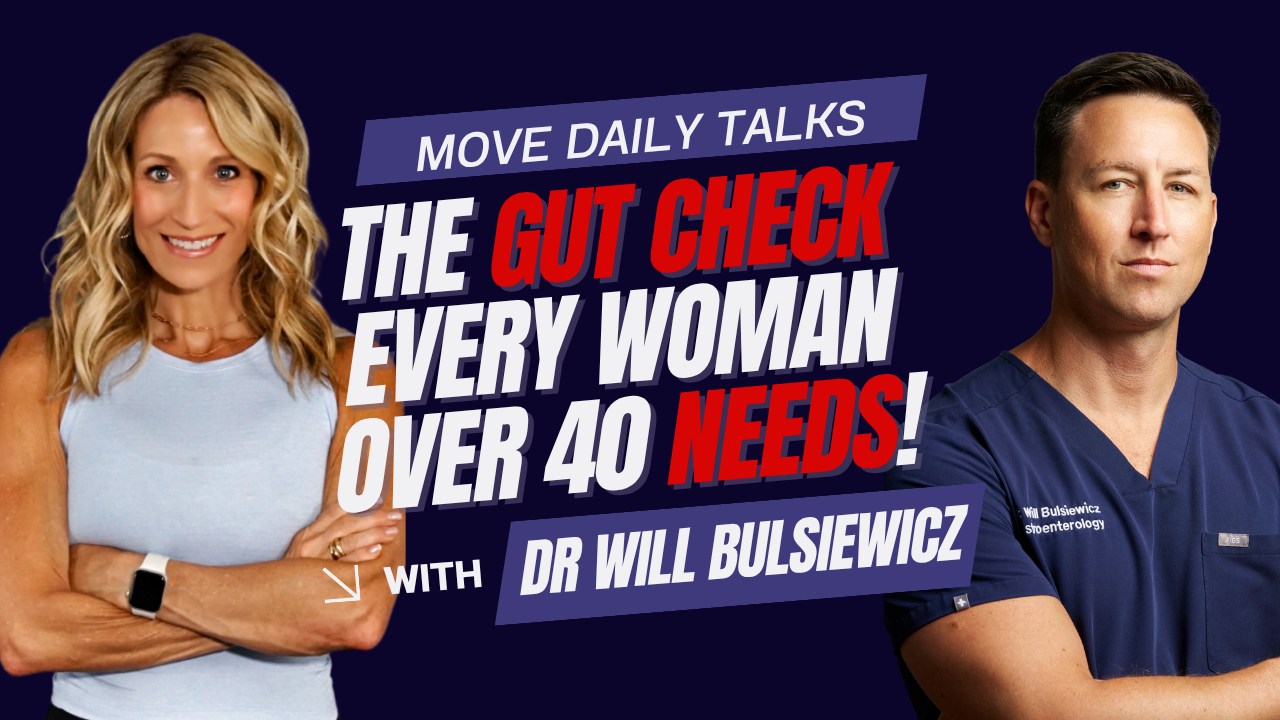
We have mentioned caffeine and gut health today and it just so happens Tracy had an incredible episode of Move Daily Talks with one of the biggest, most trusted and longest serving experts on gut health – Dr Will Bulsiewicz! Best selling author and eminent expert, this is an amazing and informative listen. You can hear it right here, or watch on YouTube.
Vacations Can Be Active Too
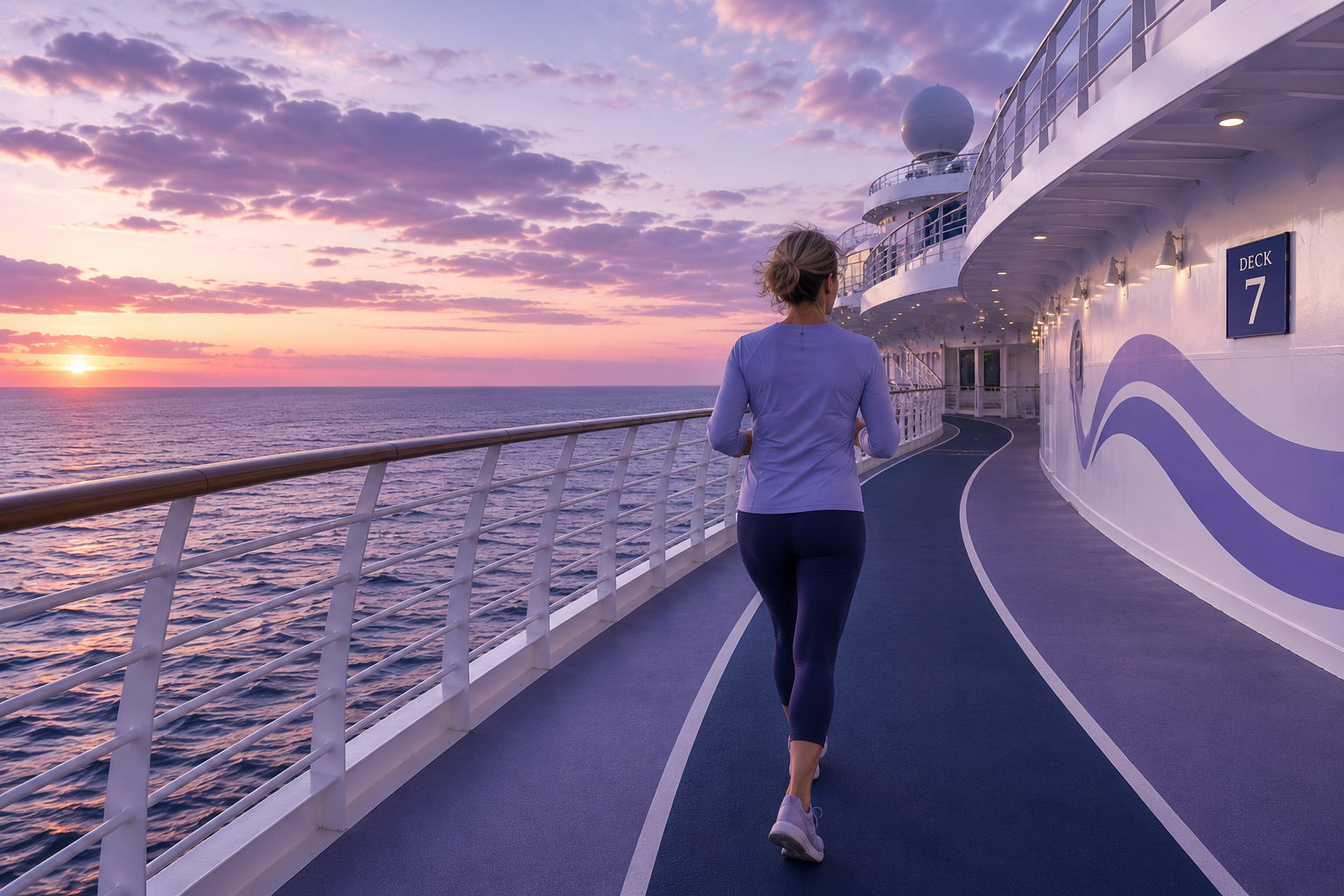
Vacation season is right around the corner and what a wonderful time of year. Whether you’re hiking with friends, heading on a cruise, or enjoying a stay-cation with family, it’s a special season indeed. Keeping your exercise and movement up during these weeks and months is great in principle, but with most of you away from home, it can be challenging to do this productively. Here are some tips to get you prepared:
- Walking: simply getting plenty of steps in is a terrific way to stay active and lean in to really being a tourist. Even if you happen to be on one complex, make a plan to walk the area in laps every day – just 20 minutes of steps is a great start to a day and very achievable.
- Mini-bands: The perennial vacay companion, mini bands are portable, easy to pack and versatile. Tracy has stacks of mini band workouts ready to go, or improvise your own. We always recommend the fabric bands as there is less chance of snapping occurring, but if you prefer the extra flexibility of latex bands they’re great too!
- No equipment workouts: Just because you’re without your weights, it doesn’t mean there are no workout options. Take your pick from a plethora of no equipment sessions, perfect for time away.
Join Tracy and Guests on Move Daily Talks
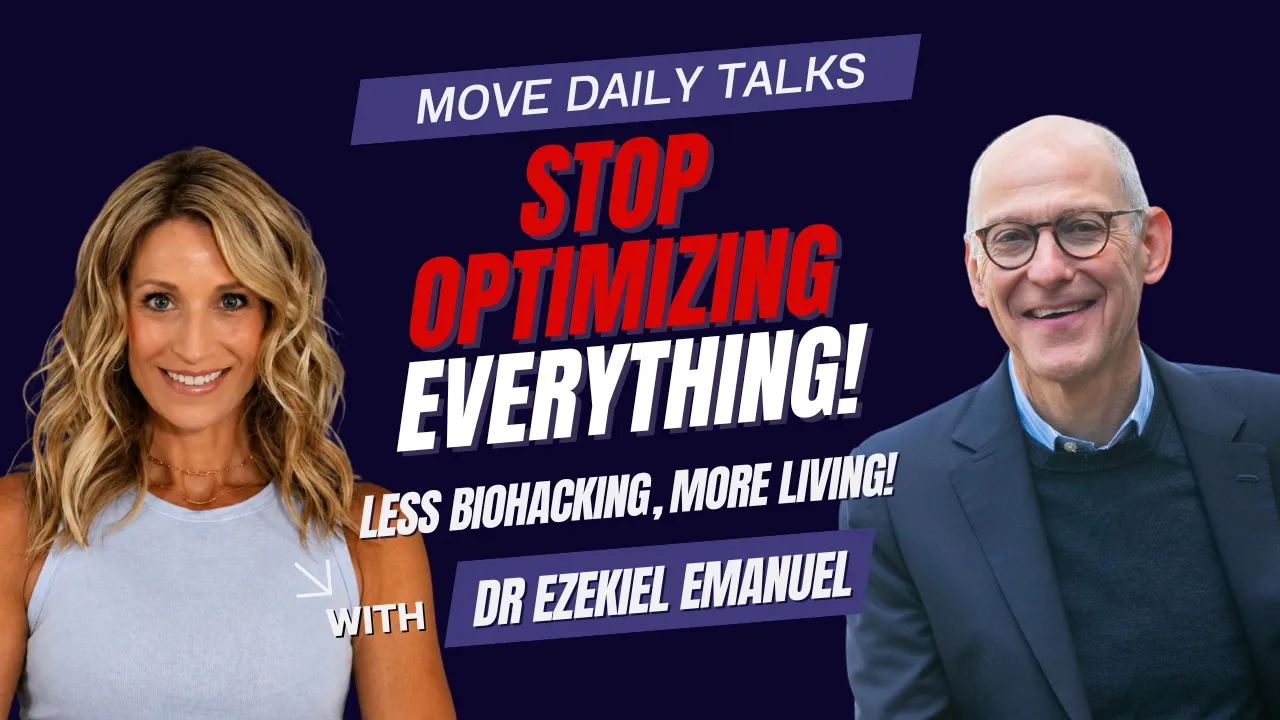
Every Saturday Tracy is joined by a special guest on her hugely successful, and informative podcast, Move Daily Talks. Here is the latest release for you to listen to, learn from and enjoy. Or watch it on YouTube.
This Weeks Workouts!
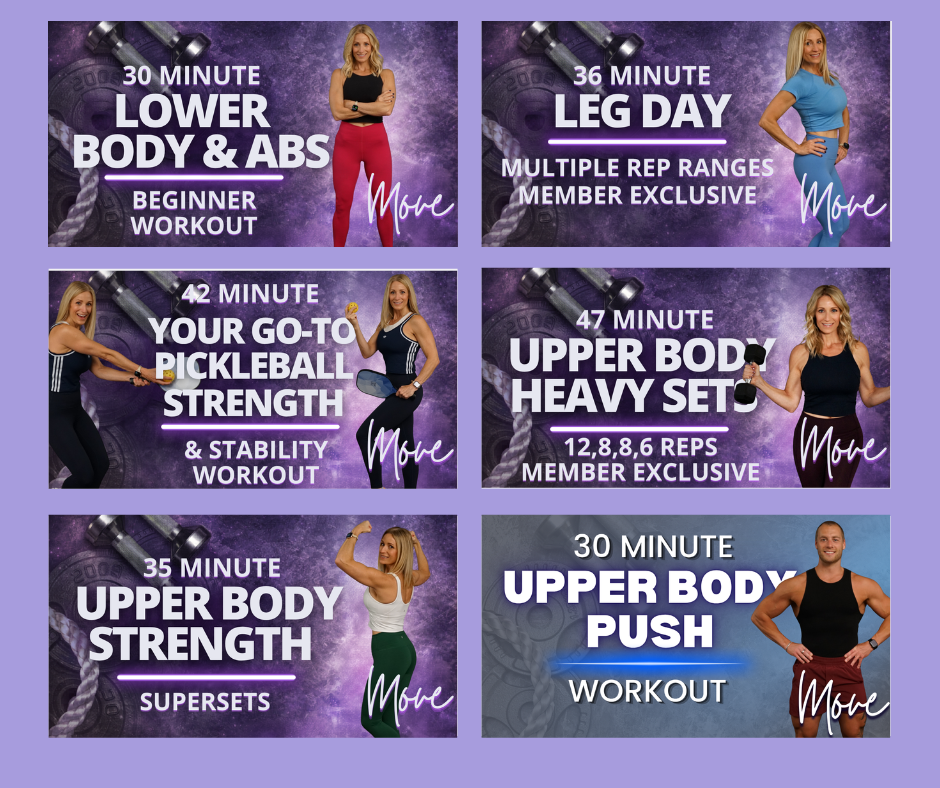
Here is your handy reminder of the current week’s workouts. All of the workouts are available either free via the YouTube channel, or are the Members Exclusive workouts, which you can access if you sign up to our Membership. Don’t forget that the workouts are released across the week and so make sure you are signed up for YouTube notifications by subscribing to the channel.